Sundarban Ilish Utsav Food Journey – Hilsa from river to plate
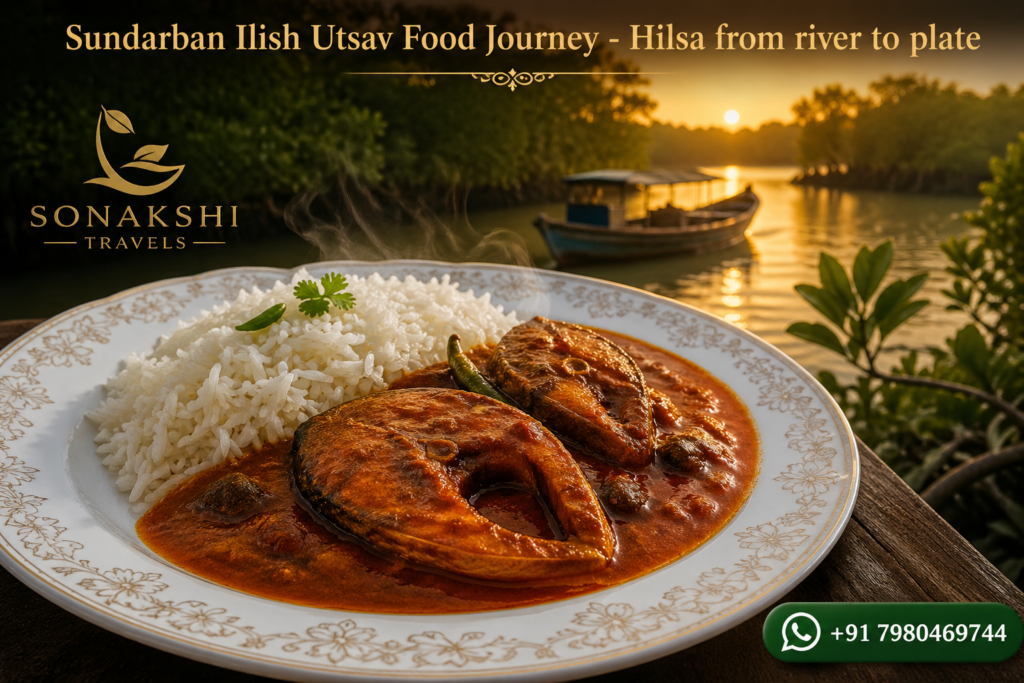
The food journey of the Sundarban ilish utsav begins long before the fish reaches the plate. It begins with the river, with slow-moving tidal water, with muddy banks, and with the quiet skill of people who understand the rhythm of the delta. Hilsa is not only a seasonal delicacy here. It is a story of water, tide, patience, freshness, cooking tradition, and shared eating.
In the Sundarban, food is closely connected with the landscape. The river does not remain still. The current changes, the smell of the water changes, and the daily life of local communities moves with that natural rhythm. This is why hilsa feels different in this region. It carries the memory of the river, the softness of fresh catch, and the careful simplicity of Bengali cooking.
The River as the First Kitchen
Every hilsa meal begins with the river itself. The tidal channels of the Sundarban shape the taste, texture, and freshness of the fish. Hilsa is naturally rich in oil, delicate in flesh, and deeply aromatic when cooked correctly. This character depends heavily on freshness. The shorter the distance between catch and cooking, the more natural the flavour remains.
During the food experience of the Sundarban hilsa festival 2026, the journey from river to plate becomes the main attraction. Guests do not only eat hilsa; they experience how the fish belongs to the riverine culture of Bengal. The smell of mustard paste, the sound of cooking on a boat or riverside kitchen, and the soft steam rising from rice together create a complete food memory.
Why Hilsa Holds Such Deep Emotional Value
Hilsa is more than fish in Bengali food culture. It is connected with family meals, monsoon memories, festive lunches, and slow dining. In the Sundarban setting, this emotional value becomes stronger because the meal is surrounded by water, silence, mangrove edges, and the movement of boats.
The taste of hilsa is subtle but powerful. It does not need heavy decoration. Its natural oil gives body to the curry, while mustard, green chilli, turmeric, and salt help the flavour open slowly. This is why experienced cooks avoid over-spicing. The purpose is not to hide the fish. The purpose is to respect it.
From Fresh Catch to Careful Cleaning
The first stage after the fish arrives is careful cleaning. Hilsa has fine bones and delicate flesh, so rough handling can damage its texture. A clean cut, correct portioning, and gentle washing are important. The fish should not be washed repeatedly after cutting, because too much washing can reduce its natural oil and aroma.
In a proper Sundarban tour food experience, this simple handling matters greatly. A good hilsa meal is not created only by a recipe. It is created by correct selection, clean preparation, balanced cooking, and timely serving.
The Role of Mustard in the Hilsa Journey
Mustard is one of the most important companions of hilsa. The sharpness of mustard balances the oily richness of the fish. In traditional Bengali cooking, mustard paste is usually prepared with black or yellow mustard seeds, green chilli, salt, and sometimes a little turmeric. The paste must be smooth, but not bitter.
If mustard is ground too harshly or soaked incorrectly, it can become unpleasantly bitter. A skilled cook understands this balance. The paste should carry heat, sharpness, and earthiness without overpowering the fish. When hilsa is steamed or cooked in mustard gravy, the fish releases oil slowly, and that oil mixes with the mustard base. This creates the deep flavour that people remember long after the meal ends.
Popular Hilsa Preparations in the Utsav Meal
Shorshe Ilish
Shorshe ilish is the most iconic preparation. It is simple, strong, and deeply connected with Bengali identity. The fish is cooked with mustard paste, green chilli, turmeric, salt, and mustard oil. The result is sharp, aromatic, and rich. It is best eaten with plain steamed rice because rice allows the gravy to remain the main flavour.
Bhapa Ilish
Bhapa ilish is a steamed preparation where the fish cooks gently inside a covered container. This method protects moisture and keeps the flesh soft. The aroma is more contained and refined. When the lid opens, the fragrance of mustard oil, chilli, and fish rises together. It is one of the purest ways to understand hilsa.
Ilish Jhol
Ilish jhol is lighter and more fluid. It may include brinjal, potato, or simple spices, depending on local style. This preparation is comforting because it does not feel heavy. It is suitable when the meal is part of a longer riverside dining experience, where people want flavour without excess richness.
The Plate as a Complete Food Story
A hilsa plate is not complete only because the fish is present. The full experience depends on balance. Steamed rice gives softness. Mustard gravy gives sharpness. Green chilli gives heat. A simple vegetable side gives relief. The fish oil gives depth. Together, the plate becomes layered but still very clear.
This is one reason why the Sundarban travel food experience attracts people who want something more meaningful than ordinary dining. The meal feels rooted in place. It does not feel detached from the land and water around it.
Silence, River Movement, and the Psychology of Eating
Food tastes different when the surroundings are calm. In the Sundarban, the silence is not empty. It has the sound of water, distant boat engines, birds, leaves, and soft human movement. This atmosphere changes the way people eat. They slow down. They notice the smell more clearly. They feel the warmth of rice, the sharpness of mustard, and the softness of fish with greater attention.
This slow rhythm is an important part of the hilsa journey. A hurried meal cannot carry the same emotional value. Hilsa needs time. It needs careful eating because of its fine bones. It also needs mental attention because the flavour is rich but not loud. The river setting helps people eat with patience.
Ecological Respect Behind the Food Experience
A responsible hilsa food journey should also carry ecological respect. Hilsa is a migratory fish, and its availability depends on river systems, breeding cycles, and responsible fishing practices. A meaningful food festival should never treat the fish only as a product. It should help guests understand that every plate is connected with a larger aquatic system.
This understanding makes the meal more valuable. When guests know that hilsa depends on healthy rivers, careful fishing, and seasonal discipline, they eat with more awareness. Food becomes education without becoming heavy or complicated.
Why Freshness Matters More Than Decoration
Hilsa does not need decorative cooking. Its quality is revealed through freshness, correct heat, and simple ingredients. Overcooking can make the fish dry. Too much spice can cover the natural oil. Too much handling can break the flesh. The best hilsa cooking is controlled and respectful.
This is especially important in the Sundarban private tour style of dining, where guests often expect personal attention and better food handling. The value lies in freshness, privacy, cleanliness, and a more carefully managed meal experience.
The Human Skill Behind the Hilsa Plate
Behind every good hilsa meal, there is human skill. Someone must identify the fish quality. Someone must clean it properly. Someone must grind the mustard correctly. Someone must control the flame. Someone must serve the dish at the right moment. These small acts decide whether the final plate feels ordinary or memorable.
Local cooking knowledge is often learned through practice, not written instructions. The cook understands by smell when mustard oil has reached the right stage. The cook knows when the fish should not be moved too much in the pan. This quiet knowledge is one of the most important parts of the river-to-plate journey.
Hilsa and Shared Bengali Dining
Hilsa is rarely a lonely food. It is usually eaten in conversation, with rice, with careful attention, and often with family or travel companions. The act of sharing makes the meal warmer. People discuss the taste, the bones, the gravy, the softness of the fish, and the memory of earlier hilsa meals.
During the Sundarban ilish utsav, this shared feeling becomes part of the larger experience. The river gives the setting, the fish gives the flavour, and people give the meal its emotional meaning.
How the River Shapes Appetite
Appetite in the Sundarban is shaped by movement. Boat movement, river crossing, quiet sitting, and the smell of cooking all prepare the mind for food. The body becomes ready before the plate arrives. This is why a hilsa meal in the delta can feel more satisfying than the same dish eaten in a closed dining room.
The open river atmosphere creates anticipation. Guests smell mustard oil before they see the dish. They hear utensils before the serving begins. They watch steam rise from rice. These small details make the food journey complete.
Authenticity in the Hilsa Food Journey
Authenticity does not mean making the meal complicated. In fact, the most authentic hilsa experience is usually simple. It respects the fish, the river, the cooking method, and the eater. It avoids unnecessary decoration and focuses on taste, freshness, and cultural memory.
An exclusive Sundarban private tour may make this experience more personal, but the heart of the meal remains the same. Hilsa must remain the centre. The river must remain present. The cooking must remain honest.
A Journey of Water, Taste, and Memory
The Sundarban Ilish Utsav food journey is not only about eating hilsa. It is about understanding how a fish moves from river to kitchen, from kitchen to plate, and from plate to memory. The journey includes ecology, local skill, Bengali food culture, and the quiet atmosphere of the delta.
When hilsa is fresh, cooked with care, and served in the riverine environment of the Sundarban, it becomes more than a dish. It becomes a complete experience of place. The fish carries the richness of the water, the sharpness of mustard, the warmth of rice, and the silence of the mangrove landscape. That is why the river-to-plate journey remains the true soul of the Sundarban hilsa festival 2026.