Sundarban Ilish Utsav Travel Moments – Small details that matter
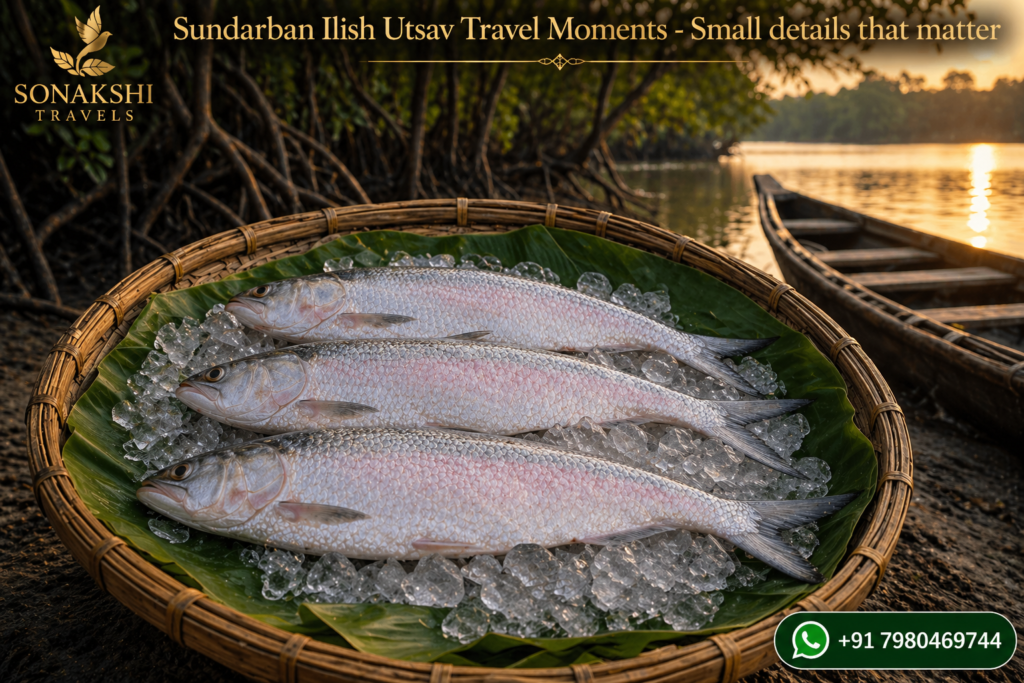
The beauty of the Sundarban ilish utsav is often found in very small details. It is not only about the fish, the river, or the journey. It is about the quiet sound of water beside the boat, the slow movement of village life, the smell of fresh cooking, and the way people become silent when the mangrove forest begins to surround them. These moments are simple, but they stay in memory for a long time.
During the festival journey, every small observation becomes meaningful. A traveller may remember the first sight of steam rising from hot rice, the careful way hilsa is served, the soft conversations on the deck, or the wide river turning calm in the afternoon light. These are not large events, yet they shape the emotional value of the experience.
The Emotional Value of Small Travel Moments
A meaningful travel experience is not created only by sightseeing. It is created by rhythm, attention, comfort, and atmosphere. In the Sundarban delta, movement is naturally slow. Boats do not rush through narrow creeks. People wait, listen, and observe. This slow rhythm helps travellers notice details that are usually missed in daily life.
The Sundarban ilish utsav 2026 experience becomes special because food, river, forest, and human emotion come together in one journey. A plate of hilsa tastes different when served near the water from where the culture of the region has grown. The meal is not separate from the place. It belongs to the landscape.
The River as the Main Character
In this journey, the river is not just a route. It is the main background of every moment. The river carries boats, reflects the sky, supports local fishing culture, and creates the mood of the festival. Its tide changes the shape of the banks. Its silence makes people speak softly. Its width gives the journey a feeling of openness.
Many travellers remember the river more strongly than any single activity. The reason is simple. The river is always present. It is beside the dining space, beside the boat, beside the villages, and beside the mangrove line. During the Sundarban hilsa festival, the river becomes connected with taste, memory, and place identity.
Why Silence Matters
Silence in the Sundarban is not empty. It has layers. There is the silence between bird calls, the silence after a boat engine slows down, and the silence that comes when travellers look at the mangrove forest without speaking. This silence helps the mind settle. It also makes small sounds more powerful.
The splash of water, the call of a distant bird, the sound of utensils during lunch, and the low voice of a boatman all become part of the experience. These details are important because they make the journey feel real and rooted in place.
Food as Memory, Not Just Meal
Hilsa is deeply connected with Bengali food culture, but during a Sundarban festival journey it becomes more than a dish. It becomes a memory of river life. The taste is shaped by setting. A simple meal served on a boat or near a riverside stay can feel more meaningful because the surroundings support the emotion of the food.
Travellers often remember how food was served, how warm it felt, how the aroma moved through the dining area, and how everyone paused for a moment before eating. These small dining moments are central to the character of the Sundarban hilsa festival 2026.
The Role of the Boat in the Experience
The boat is more than transport. It becomes a moving observation point, a dining space, a resting place, and a quiet room over water. During a Sundarban private boat tour, the boat allows travellers to feel closer to the river rhythm. The deck, railing, seating area, and gentle movement of the boat all shape the emotional quality of the journey.
Small boat details matter. A clean deck, comfortable seating, careful food service, and respectful movement through the creeks help the traveller feel relaxed. The experience becomes less mechanical and more personal. This is why many people prefer a calm and well-managed Sundarban private tour for festival travel.
Mangrove Details That Shape the Mood
The mangrove forest does not reveal itself loudly. Its beauty is in patterns. Roots rise from mud like natural sculptures. Leaves shine differently when seen from water. Mudbanks show marks of tide and animal movement. These details help travellers understand that the Sundarban is a living landscape.
During the festival journey, food and forest should not feel disconnected. The best memories form when travellers understand that the cuisine, river, and ecology belong to the same region. A responsible Sundarban travel agency should respect this connection and present the journey with care.
Human Behaviour and Local Warmth
The behaviour of local people also creates important travel moments. A boatman pointing quietly toward a creek, a cook preparing food with patience, or a guide explaining a small forest sign can improve the depth of the journey. These human details make the experience feel sincere.
Good hospitality in the Sundarban is not about loud luxury. It is about timing, cleanliness, respect, and attentiveness. A good Sundarban tour operator understands that travellers remember small acts of care more than repeated promises.
Why Rhythm Is Important in Festival Travel
The success of a festival journey depends greatly on rhythm. If the movement feels rushed, the emotional value becomes weak. If the pauses are natural, travellers get time to absorb the setting. In the Sundarban, rhythm comes from the tide, boat speed, meal timing, and quiet observation.
A well-planned Sundarban tour package should leave space for these slower moments. The traveller should not feel pushed from one point to another. The journey should allow enough time to eat peacefully, watch the river, listen to the forest, and feel the atmosphere.
The Psychology of Remembering Small Details
Travel memories often remain strong when they are connected with the senses. Smell, sound, taste, and touch make the brain hold an experience more clearly. This is why the smell of hilsa cooking, the sound of water against the boat, or the feeling of river breeze can return to memory even after many months.
The Sundarban ilish utsav becomes memorable because it touches many senses together. The traveller does not only see the place. The traveller tastes it, hears it, smells it, and feels its rhythm.
Private Comfort and Personal Observation
Some travellers enjoy the festival more when the experience is private and less crowded. In a Sundarban customized private tour, the pace can feel more personal. Families, couples, and small groups can spend more time noticing the river, enjoying meals, and observing the landscape without disturbance.
This privacy does not change the core meaning of the festival. Instead, it can help travellers become more attentive. A calm Sundarban luxury private tour can make small details easier to enjoy because the surrounding atmosphere feels more controlled and peaceful.
The Importance of Authenticity
Authenticity is very important in a river-based food festival. The setting should feel natural. The food should feel connected to local culture. The boat journey should respect the place. The soundscape should not be disturbed unnecessarily. These small choices protect the true character of the experience.
A meaningful Sundarban tour during the hilsa season should not turn the delta into a staged performance. It should allow the natural identity of the region to remain visible. The best moments are often unplanned and simple.
The real charm of Sundarban Ilish Utsav travel moments lies in the details that are easy to overlook. A quiet river bend, a warm plate of food, a gentle boat movement, a respectful guide, a clean dining space, and a peaceful pause can define the whole journey.
For travellers, the festival is not only about reaching the Sundarban and tasting hilsa. It is about understanding how food, river, people, and silence create one complete experience. When these small details are handled with care, the journey becomes deeper, softer, and more memorable.