Sundarban Hilsa Festival 2026 Complete Guide – Everything in one place
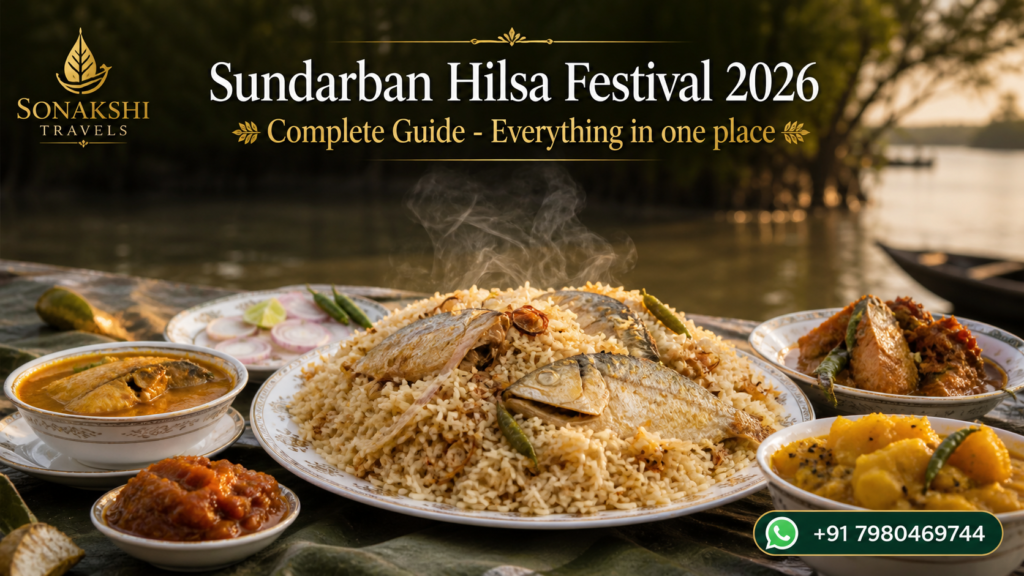
The Sundarban hilsa festival 2026 is not only a food-based seasonal celebration. It is an experience where river culture, Bengal’s emotional connection with hilsa, local cooking traditions, and the silence of the mangrove delta come together in one meaningful journey. The festival is connected with taste, memory, landscape, and the slow rhythm of life around the rivers of the Sundarban. For many travellers, this is the time when the journey feels more intimate because the meal, the boat, the river breeze, and the surrounding mangrove atmosphere become part of the same story.
This complete guide explains the festival in a focused and practical way. It describes what the experience means, why hilsa holds such importance in Bengal, how the river setting shapes the mood of the festival, what kind of food emotions are attached to it, and how a traveller should understand the overall character of the event. The purpose is not to treat the festival as a simple meal plan, but to understand it as a seasonal cultural experience inside one of India’s most sensitive riverine landscapes.
The Real Meaning of Sundarban Hilsa Festival 2026
The core idea of the Sundarban ilish utsav is based on the Bengali love for ilish, or hilsa fish. In Bengal, hilsa is more than a dish. It is connected with family gatherings, monsoon memories, river identity, festive meals, and emotional nostalgia. When this cultural food identity is placed within the Sundarban delta, the experience becomes more layered. The traveller is not only eating hilsa; the traveller is feeling the natural home of river-based food culture.
The festival represents a careful meeting point between cuisine and place. The river is not just a background. It is the living element that gives meaning to the meal. The movement of water, the sound of boats, the smell of cooked rice, the soft steam rising from hilsa preparations, and the quiet mangrove edges together create a complete sensory frame. This is why the Sundarban hilsa festival should be understood as an atmosphere, not only as a menu.
Why Hilsa Feels Special in the Sundarban Setting
Hilsa has a natural association with rivers, tides, and migration. Its cultural value comes from its delicate taste, rich texture, aroma, and seasonal appeal. In the Sundarban setting, this value becomes stronger because the entire region is shaped by water. Every river bend, creek line, ferry movement, and boat sound reminds travellers that life here is connected with tidal rhythm. This makes hilsa feel more natural, more contextual, and more meaningful.
Food always becomes more powerful when it is experienced in the right place. A hilsa meal in a city restaurant can be enjoyable, but a hilsa meal in the middle of a river landscape has a different emotional depth. The boat may move slowly through wide channels. The mangrove line may appear still from a distance. A quiet meal may be served while the river light changes softly. This creates a calm but memorable setting where taste and landscape support each other.
For this reason, many travellers prefer a carefully planned Sundarban tour during the festival period because the food experience becomes inseparable from the natural environment. The journey does not need to feel rushed. Its beauty lies in the slow unfolding of river life, the warmth of simple hospitality, and the satisfaction of eating seasonal food in a place where water still controls the mood of the day.
Food Experience at the Festival
The food experience of the Sundarban ilish utsav 2026 is usually centered on different forms of hilsa preparation. The emotional appeal lies in variety, but the deeper value lies in balance. Hilsa has a strong identity of its own, so the cooking must respect its natural richness. A good festival meal does not hide the fish under excessive spices. It allows the aroma, oil, softness, and texture of the fish to remain clear.
Travellers may expect traditional Bengali-style preparations that highlight the character of hilsa. The food may include mustard-based flavours, steamed preparation, light gravy, rice-based combinations, and other supporting dishes that keep the meal complete without making it heavy. The best approach is to see the food as a sequence. Each item should have its own mood. One preparation may feel sharp and aromatic, another may feel soft and comforting, while another may feel rich and festive.
The experience becomes more meaningful when the meal is not treated like a buffet rush. Hilsa deserves slow eating. Its bones, oil, smell, and texture are part of the traditional experience. Many Bengali families have grown up eating hilsa with patience and attention. In the Sundarban setting, this slow style fits naturally with the river atmosphere. The food should not be separated from the silence around it. It should be enjoyed with awareness.
The Emotional Taste of Ilish
Hilsa carries memory. For Bengali travellers, it often reminds them of home, old kitchens, rainy afternoons, family conversations, and festive dining tables. For travellers who are new to Bengali cuisine, it offers a direct entry into one of Bengal’s most loved food traditions. The Sundarban hilsa festival 2026 gives both groups a shared place to experience that emotion.
The taste of hilsa is not only about salt, mustard, rice, or spice. It is about softness, aroma, and aftertaste. A well-cooked hilsa dish leaves a deep impression because the fish has its own richness. This richness becomes even stronger when eaten in a river atmosphere. The mind connects the food with the landscape, and the meal becomes a memory rather than only a dish.
The Role of the River Atmosphere
The river atmosphere is one of the strongest parts of the festival experience. The Sundarban does not speak loudly. Its beauty is quiet, wide, and patient. The water moves with tidal discipline. The mangrove forest stands in layered silence. Boats pass without disturbing the larger stillness. In such a setting, a festival meal becomes calm and reflective instead of noisy or artificial.
This silence has psychological value. Many urban travellers arrive with a restless mind. They are used to traffic, screens, deadlines, and constant sound. In the Sundarban, the rhythm changes. The river slows the mind. The mangrove edges reduce visual clutter. The open sky creates breathing space. When hilsa is served in this environment, the meal feels more grounded. The traveller is able to taste with attention.
A responsible Sundarban travel agency should understand this emotional rhythm. The festival should not be handled only as a commercial food event. It should be presented as a respectful river-based cultural experience where comfort, hygiene, timing, food quality, and environmental sensitivity are all important. The strongest experience is created when hospitality remains warm but not excessive.
Cultural Identity Behind the Festival
The festival also reflects Bengal’s deep cultural relationship with river food. Ilish has been part of Bengali literature, household memory, festive meals, and regional identity for generations. It is often associated with emotion because it enters personal life through family traditions. Many people remember who cooked it best at home, which preparation they liked most, and how the smell filled the kitchen during special meals.
Inside the Sundarban region, food culture is closely linked with nature. People living near river systems understand the value of seasonal ingredients and simple cooking. The festival can help travellers appreciate this connection. It shows that cuisine is never separate from geography. What people eat, how they cook, and how they celebrate are shaped by the land and water around them.
The Sundarban ilish utsav therefore becomes a cultural bridge. It connects visitors with Bengali taste, local river identity, and the quiet dignity of delta life. It allows the traveller to understand that food tourism should not only be about eating more items. It should be about understanding why a dish matters to a people and a place.
How the Festival Should Be Experienced
The best way to experience the festival is with patience. The traveller should not see it as only a checklist of dishes. The real charm lies in the full environment: the boat journey, the table arrangement, the aroma of cooked food, the river breeze, the sound of water, and the slow movement of the day. Every small detail adds to the final impression.
Travellers choosing a Sundarban private tour for the festival often look for a more peaceful and controlled experience. Privacy helps the meal feel more personal. It allows families, couples, or small groups to enjoy the food without rush. It also creates space for customized preferences, calm conversation, and better attention to service quality.
Some travellers prefer a more refined arrangement through a Sundarban luxury tour, especially when they want the food experience to be supported by comfort, clean presentation, and thoughtful hospitality. In such cases, the luxury should not feel disconnected from the region. True luxury in the Sundarban should mean quiet comfort, good food, clean service, natural surroundings, and respectful handling of the river mood.
Importance of Clean Food Presentation
Food presentation matters because hilsa is a delicate and premium ingredient. The serving should look clean, warm, and organized. The rice should be fresh, the fish should be properly cooked, and the supporting items should not overpower the main dish. Clean plates, proper serving temperature, and careful handling create trust. These small details strongly affect the traveller’s memory of the festival.
At the same time, presentation should not become artificial. The festival belongs to a river landscape, so the food experience should retain simplicity. Over-decoration can reduce authenticity. A balanced arrangement works best: neat plating, traditional flavours, natural atmosphere, and sincere hospitality.
Private and Customized Festival Experience
A customized festival experience can be valuable because every traveller has a different relationship with food. Some want traditional Bengali preparations. Some prefer a lighter meal. Some travel with elderly family members who need comfortable arrangements. Some couples want a peaceful, private setting. This is where an exclusive Sundarban private tour can make the festival more personal.
A Sundarban customized private tour should keep the festival theme at the center. The customization should not disturb the cultural identity of the event. Instead, it should improve comfort, food preference, serving style, and privacy. The purpose is to help travellers enjoy hilsa and the Sundarban atmosphere in a more suitable way.
For couples, a Sundarban couple private tour during the hilsa festival can feel quiet and memorable. The mood of the delta is naturally intimate. The wide rivers, soft silence, and slow boat movement create a peaceful setting for shared meals. The experience becomes less about crowd activity and more about togetherness, taste, and atmosphere.
Ecological Sensitivity During the Festival
The Sundarban is an ecologically sensitive region. Any festival connected with the area must respect this fact. The mangrove landscape is not a decorative background. It is a living ecosystem with complex relationships between tide, soil, vegetation, wildlife, and human life. A responsible festival experience should avoid noise, waste, plastic misuse, and careless handling of food materials.
Ecological sensitivity does not reduce enjoyment. It improves it. When the surroundings remain clean and quiet, travellers feel the real character of the region. The food tastes better when the atmosphere is not disturbed. The river feels more powerful when it is treated with respect. The festival becomes more meaningful when it does not damage the very landscape that gives it identity.
A thoughtful Sundarban tour operator should maintain this balance. The festival should be organized in a way that protects the dignity of the place. Clean waste management, controlled sound, respectful boat movement, and careful food planning are all important parts of a mature travel experience.
What Makes the 2026 Festival Experience Different
The year 2026 brings stronger interest in meaningful and experience-based travel. Many travellers no longer want only sightseeing. They want journeys that feel connected to local culture, food, ecology, and personal memory. The Sundarban hilsa festival 2026 fits this demand because it offers a clear theme and a strong sense of place.
The festival also allows travellers to experience the Sundarban through taste rather than only through visual observation. This is important because food can often explain a region more deeply than a standard description. A plate of hilsa, served beside the river, can communicate Bengal’s cultural relationship with water in a very direct way. It brings the traveller closer to the emotional identity of the delta.
For those who plan their experience through a trusted Sundarban travel service, the focus should remain on authenticity, cleanliness, food quality, and atmosphere. The strongest festival memory will not come from unnecessary decoration or excessive noise. It will come from a well-cooked hilsa meal, a calm river moment, and the feeling that the journey belonged naturally to the place.
The Sundarban ilish utsav 2026 is best understood as a complete river-food experience. It brings together Bengali food emotion, hilsa tradition, boat-based travel atmosphere, and the quiet power of the mangrove delta. The festival should not be reduced to a simple eating event. It is a seasonal cultural expression shaped by taste, water, silence, hospitality, and memory.
Travellers who approach the festival with patience will enjoy it more deeply. They will notice the smell of the food, the softness of the fish, the slow movement of the river, the calm of the mangrove line, and the emotional warmth of Bengali cuisine. When all these elements come together, the experience becomes complete.
The true value of the Sundarban hilsa festival lies in this harmony. It allows people to taste Bengal in a place where river life still feels alive. It connects food with landscape and memory with movement. For anyone who wants to understand the cultural beauty of hilsa in its most atmospheric form, this festival offers a focused, meaningful, and deeply memorable experience.