What Makes a Sundarban Private Tour Feel Rich, Personal, and Deeply Memorable?
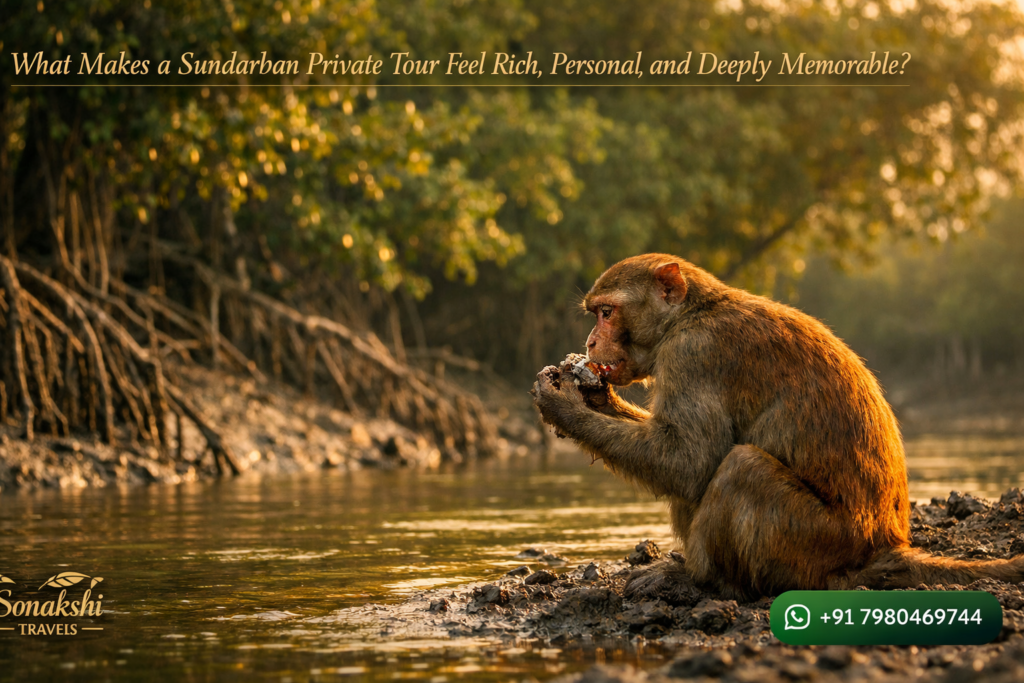
A journey into the Sundarban is not shaped by one single attraction. People may first think about the forest, the rivers, the silence, or the hope of seeing wildlife. Yet the true value of the journey often comes from the way many small experiences join together. A well-planned Sundarban private tour is not only about travel from one place to another. It is about how the traveler moves through the delta, what kind of boat carries the journey, what kind of wildlife knowledge is shared on the way, how deeply the guest can connect with local culture, and how comfortably the whole experience is arranged.
This is why many travelers now look beyond simple package details. They want to know whether the journey offers privacy, whether the boat ride feels exclusive, whether birdwatching becomes meaningful with proper interpretation, whether photography can be supported in a thoughtful way, and whether cultural moments are included to make the experience more human and complete. These questions are not separate from one another. In truth, they are all part of the same deeper desire. People want a journey that feels personal, calm, informed, and emotionally rich.
The Sundarban is not a destination that should be rushed. It is a living landscape of tide, mudbanks, mangrove roots, changing sky, winding creeks, and quiet human settlements. Because of that, the best private experience is one that gives time, space, and proper support. When privacy, comfort, wildlife understanding, and cultural depth come together, the journey becomes much more than sightseeing. It becomes a complete travel experience that stays in the mind for a long time.
Why Privacy Changes the Meaning of a Sundarban Journey
The word private tour is often understood in a narrow way. Some people think it only means that a traveler gets a separate car or a separate room. But in the Sundarban, privacy has a deeper meaning. It changes the rhythm of the journey. It creates quiet. It allows a family, a couple, a group of friends, or even a solo traveler to experience the forest without the pressure of a crowded schedule.
In a shared tour, time usually moves according to group convenience. Stops may feel shorter. Conversations may be louder. Personal interests may have to wait. In a private setting, the journey can feel much softer and more natural. A traveler can spend more time watching a line of birds on the riverbank, remain silent during a sunrise moment, or enjoy the slow passage through a narrow creek without being pushed by the preferences of strangers.
This is why the idea of exclusive water travel matters so much. Many travelers specifically want to know whether private boat rides are included in a Sundarban private tour package. That question is important because the boat is not a minor part of the journey. In the Sundarban, the boat is the main space of experience. It is where one sees the river widen, the forest darken, the wind shift, and the life of the delta slowly reveal itself.
A private boat changes the emotional quality of the journey. It gives room for comfort, conversation, observation, photography, and rest. It reduces noise. It allows a guide to speak more directly to the guests. It also helps travelers shape the mood of the experience. Some may want a calm family journey. Some may want a birding-focused morning. Some may want a slow romantic journey with more silence and scenic pauses. That freedom is one of the strongest reasons why a private tour often feels more valuable than a standard group trip.
The Boat Is Not Just Transport but the Heart of the Experience
In many destinations, transport is only a link between attractions. In the Sundarban, that idea does not fully apply. Here, the boat itself becomes part of the destination experience. The journey unfolds on water. The forest is seen from water. Light changes on water. Wildlife appears near water. Even the feeling of distance, peace, and wonder comes through the slow movement of the boat across creeks and rivers.
That is why comfort and exclusivity in the boat matter so much. Travelers who are looking for a higher standard of experience often ask whether private boat options are available for Sundarban luxury tours. This question shows that luxury in the Sundarban is not only about a room or a meal. It is also about how one travels through the mangrove world itself.
A private boat in a luxury setting can improve the experience in many ways. It may offer better seating comfort, more personal service, cleaner space, a calmer environment for observation, and a more relaxed pace. But even more than these physical details, it creates emotional ease. A traveler can feel that the journey belongs to them. That feeling is powerful. It turns a tour into a lived experience rather than a fixed package.
This also matters for families and older travelers. A quieter and more organized boat environment can reduce stress. It allows easier movement, better rest, and smoother interaction with the guide or crew. For couples, it creates intimacy. For wildlife lovers, it offers the stillness needed for patient observation. For serious travelers, it becomes a more respectful way to enter the landscape.
In the Sundarban, a good boat experience is not a luxury add-on in a shallow sense. It is a key part of quality travel. A well-managed private boat supports safety, comfort, interpretation, and visual enjoyment all at the same time. That is why it stands at the center of the private tour idea.
Wildlife Becomes More Meaningful When the Journey Slows Down
Many people visit the Sundarban with wildlife in mind. Some hope to see a tiger, some think of crocodiles or deer, and many are drawn by the larger mystery of the mangrove forest. Yet one of the most rewarding parts of the region is often its birdlife. Birds bring movement, color, sound, and seasonal life to the landscape. They also help travelers notice details that might otherwise be missed.
A private tour is especially useful for this kind of experience because it allows slower observation. Birdwatching does not always work well in a rushed or noisy group setting. It needs stillness, patience, and attention. Travelers who care about this often ask what bird species can be seen during a Sundarban private tour package, and this question reveals something important. The modern traveler is not only looking for a checklist. The traveler wants understanding.
The real beauty of birdlife in the Sundarban is not simply in naming species. It is in learning how the birds belong to the land and water. A guide may help guests notice the difference between open-river movement and creek-side stillness. One bird may appear near muddy edges, another near thicker mangrove cover, and another above the waterline in a quick and sharp flight. In this way, birdwatching becomes a doorway into the larger ecology of the region.
Because private journeys offer more flexibility, guests can give time to these moments. A guide can pause longer when something interesting appears. The group does not need to move quickly just because others are impatient. Children can ask questions. Nature lovers can observe quietly. Photographers can wait for better light or posture. This is where the private format shows its strength. It supports deeper attention.
There is also a strong emotional side to this. Watching birds in the Sundarban often gives travelers a softer connection to the place. Large animals may remain unseen, but birds are part of the daily life of the delta. They make the forest feel active and alive. Their presence turns the trip into something more layered than a hunt for one famous animal. It becomes a broader meeting with the living world.
Photography Support Adds Depth to the Travel Experience
The Sundarban is one of those places where the eye keeps returning to the landscape. The water changes color. The sky opens and closes. Mangrove shadows fall in unusual patterns. Small movements on the bank suddenly become full of meaning. For this reason, many travelers do not only want to see the region. They want to record it with care. They want to return home with images that carry memory, feeling, and story.
That is why photography support has become an important part of travel planning. Guests often ask whether photography guides are available in a Sundarban private tour package. This is not a small or technical question. It reflects a deeper shift in traveler interest. People no longer want only surface-level sightseeing. They want meaningful engagement with the place, and photography is one of the strongest ways to achieve that.
A photography-friendly journey improves the travel experience in several ways. First, it teaches the traveler to look more carefully. Instead of quickly taking random pictures, one begins to notice light, timing, angle, distance, and movement. Second, it encourages patience. A photograph in the Sundarban is often built on waiting rather than chasing. Third, it helps a traveler remember not just what was seen, but how it felt.
In a private tour, photography support becomes much easier to manage. The guide and crew can understand the guest’s interest in advance. The pace can remain flexible. Short pauses can be more useful. Quiet movement can be maintained. Birdwatching and photography can also support each other. The same stillness that helps a person observe wildlife also helps in creating stronger visual records.
There is another reason this matters. Photography turns travel into interpretation. A person does not only collect images. The person begins to shape a point of view. What part of the Sundarban feels most striking? Is it the empty river under soft morning light? Is it a line of birds on a branch? Is it the meeting point of human settlement and forest edge? Is it the texture of roots, boats, nets, and tide marks? A well-guided private journey allows this personal visual story to grow in a natural way.
Cultural Experiences Make the Tour More Human and Complete
If the Sundarban were only a wildlife destination, the experience would still be beautiful. But the region is more than forest and river. It is also a lived human landscape. Villages, local beliefs, songs, food, seasonal rhythms, and daily struggle all form part of its identity. A truly rich private tour should make some space for this human side of the delta.
That is why thoughtful travelers often ask whether cultural programs are included in Sundarban private tours. This question matters because cultural experience gives the journey warmth and meaning. It reminds the traveler that the Sundarban is not only a remote ecological zone. It is also a place where communities live with river, tide, weather, and memory every day.
Cultural moments can take many forms. They may include local music, folk performance, village interaction, food traditions, or storytelling that reflects the life of the delta. What matters most is not showmanship. What matters is whether these experiences help the traveler feel the human truth of the place. When culture is included with care, it prevents the journey from becoming one-dimensional.
This is especially important in a private tour because the guest often wants more than sightseeing. A private traveler is usually looking for deeper connection, better understanding, and a more meaningful rhythm. Cultural elements help meet that need. After a day of river travel and wildlife watching, a simple evening of local music or conversation can give emotional balance to the tour. It brings the journey closer to memory, not just movement.
It also gives context to the landscape itself. The Sundarban is shaped not only by nature, but also by the lives of those who depend on it. To understand the delta more fully, one must understand both the forest and the people living beside it. Culture turns the destination from a scene into a relationship.
The Best Private Tour Is One Where Every Part Supports the Other
The strongest Sundarban journeys are not built on one feature alone. They do not become memorable only because of a private boat, or birdwatching, or culture, or photography, taken one by one. Their real strength comes from how these parts support one another. Privacy creates calm. Calm improves wildlife observation. Better observation supports photography. Slower travel opens space for interpretation. Cultural contact makes the experience more human. Together, these parts create a complete and balanced journey.
This is the deeper reason why travelers increasingly choose private Sundarban tours. They want more than transport and accommodation. They want a travel form that respects the place and the traveler at the same time. They want comfort without noise, access without crowding, beauty without hurry, and learning without confusion.
Such a journey does not need to feel loud or over-designed. In fact, the best private experience often feels simple on the surface. A calm boat. A patient guide. Time to watch birds. A chance to take meaningful photographs. A quiet cultural evening. A pace that does not force the guest away from a moment too early. These are not small details. They are the building blocks of real travel quality.
When people later remember the Sundarban, they often do not remember only one event. They remember the full texture of the journey. The soft river wind. The silence before a bird takes flight. The careful words of a guide. The comfort of having space on the boat. The human warmth of local culture. The feeling that the journey was not generic, but personal.
That is what makes a private tour truly rich. It does not isolate comfort from nature, or nature from culture, or observation from emotion. It allows all of these to meet. And when they do, the Sundarban reveals itself not just as a destination to visit, but as a world to experience deeply, slowly, and with lasting respect.
In the end, the finest Sundarban travel experience is one that helps the traveler see more, feel more, and understand more. Privacy gives freedom. The boat gives space. Birdlife gives movement. Photography gives memory. Culture gives soul. When all of these are held together in one thoughtful journey, the tour becomes far more than a package. It becomes a living experience that remains bright in the mind long after the river is left behind.