Updated: April 1, 2026
The Ultimate Hilsa Experience at the Hilsa Lover’s Festival
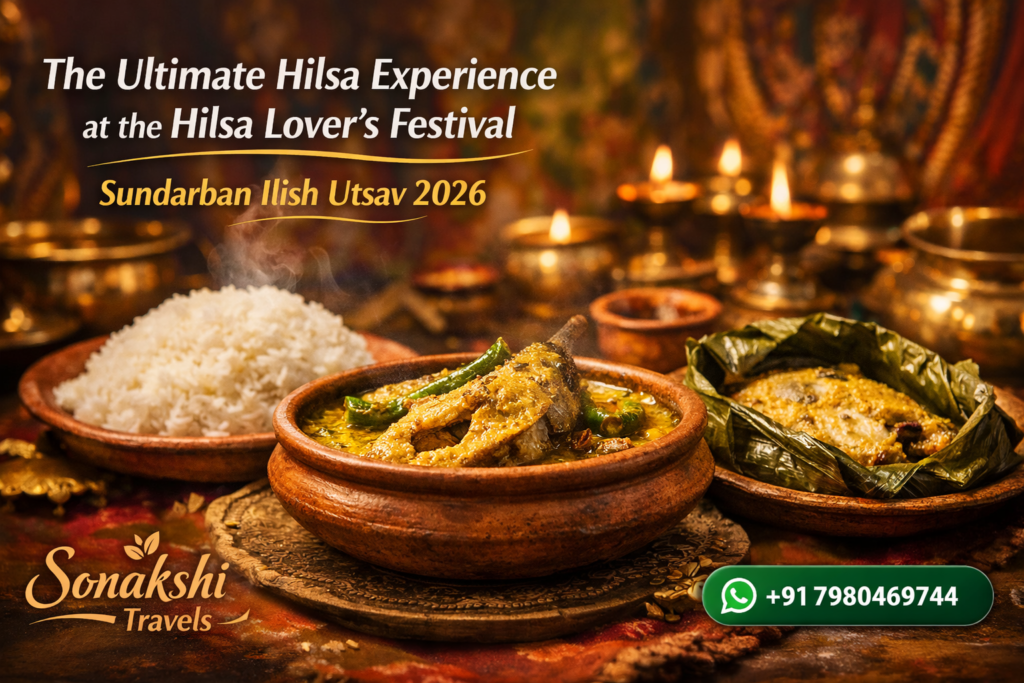
The idea of the ultimate hilsa experience is much deeper than eating a famous fish. At the Hilsa Lover’s Festival, the real experience comes from a rare meeting of taste, memory, river culture, cooking skill, smell, sound, and shared emotion. Hilsa is not treated as a simple dish here. It is treated with respect. It becomes the center of attention, but not in a loud or shallow way. The fish carries history, seasonal feeling, family memory, and a strong place in Bengali food culture. That is why the festival feels complete only when a person understands not only what is served on the plate, but also what that plate means.
In that sense, the festival stands close to the emotional world of the Sundarban hilsa festival, where food is never separated from river life. The beauty of the experience lies in its fullness. Aroma rises before the first bite. Steam opens slowly from the rice. Mustard, green chilli, soft oil, and the natural richness of hilsa begin to shape the mind even before the tongue responds. This first moment is important. It prepares the visitor to enter a food experience that is both sensory and cultural.
Why Hilsa Creates Such a Powerful Food Experience
Hilsa has a special power because it does not behave like an ordinary fish in the kitchen or on the plate. Its taste is delicate, but also deep. Its texture is soft, but it carries a distinct oily richness that stays in memory. Its bones are many, yet that too becomes part of the experience. Hilsa asks the eater to slow down. It asks for care. It asks for attention. In that way, it changes the speed of a meal. The person eating it cannot rush without losing part of its beauty.
This is one reason the Hilsa Lover’s Festival becomes so meaningful. The fish creates a different form of eating. It teaches patience. It sharpens the senses. It turns lunch or dinner into a careful act. For many Bengalis, this feeling is linked with childhood tables, family instructions, quiet concentration, and the joy of getting the perfect piece. For others, especially first-time visitors, it becomes a lesson in how a food tradition can shape behavior and emotion at the same time.
The finest festival experience grows from this depth. It is not about quantity alone. It is not about showing many plates for effect. It is about understanding how one fish can appear in many forms while still keeping its identity. A good hilsa meal can feel soft, rich, sharp, warm, fragrant, and comforting in a single sitting. That range gives the festival its strength.
The Festival as a Complete Sensory World
The ultimate hilsa experience begins long before eating. The air itself starts to change near the dining space. Mustard has its own sharpness. Steamed fish has a softer warmth. Fried hilsa sends out a golden, almost irresistible smell that can pull people toward the kitchen without effort. Even before a visitor sees the dishes, the nose begins to identify layers. This sensory sequence matters because it builds appetite in a thoughtful way.
Then comes sight. Hilsa is one of those foods that can look simple but feel luxurious. Freshly cooked pieces shine with light oil. Mustard gravies hold a rich yellow color. Green chillies add contrast. Banana leaf presentations give another texture to the eye. Rice becomes more than a side element. It becomes the white field against which the fish is understood. This visual balance creates expectation. The meal feels composed, not random.
Sound also plays a role. A festival devoted to hilsa is full of reactions that are small but revealing. There is the quiet excitement when a dish arrives. There is discussion about which preparation is best. There are voices comparing mustard strength, softness of flesh, or the skill with which the fish has been cleaned and cooked. These sounds are important because they show that hilsa is not eaten in silence alone. It is discussed, interpreted, and judged with affection.
That is why the emotional world of the event connects so naturally with the spirit of the Sundarban ilish utsav. The meal becomes a social act, but never loses its intimacy. A person can feel surrounded by others and yet remain deeply focused on a single bite.
The Meaning of Variety in a Hilsa Festival
The word ultimate is important in the title because the full hilsa experience is not built from one preparation alone. Hilsa reveals different moods in different dishes. In mustard gravy, it feels bold, fragrant, and classic. In steamed form, it feels gentle, soft, and deeply aromatic. In paturi, where it is wrapped and cooked with care, it feels more intimate and layered. Fried hilsa offers another side entirely. It gives directness, crisp edges, and immediate pleasure, yet still carries the fish’s natural richness.
The festival becomes powerful when these forms are arranged as an experience rather than a list. A thoughtful sequence allows the eater to feel contrast. One dish may introduce the sharpness of mustard. Another may reveal the sweetness hidden under the oil-rich flesh. Another may show how texture changes when heat, steam, and spice are balanced differently. What seems like repetition from outside becomes discovery from within.
This is where the intelligence of culinary tradition becomes visible. Bengali cooking does not use hilsa in many ways just to create variety for display. The different methods exist because each one brings out a different truth of the fish. The festival, at its best, lets people taste these truths side by side.
Mustard as More Than a Flavor
Mustard is often described as an ingredient, but at a hilsa festival it acts almost like a language. It speaks sharply, but it must never dominate completely. Good mustard hilsa is about balance. The pungency should wake the palate, not crush it. The fish must remain present. When done well, mustard does not cover hilsa. It frames hilsa. It gives structure to the oil, warmth to the flesh, and brightness to the overall taste.
In that balance lies one of the highest pleasures of the festival. Visitors begin to notice that the finest dishes are not the strongest ones. They are the most controlled. This discovery often separates a casual meal from the ultimate experience. It teaches the eater that refinement is not weakness. It is skill.
River Identity and the Taste of Place
Hilsa cannot be fully understood as an isolated market product. It is tied to water systems, river movement, silt, salinity, and the larger ecological life of delta regions. That is why the emotional force of a hilsa festival becomes stronger in a river setting. The fish on the plate feels connected to an environment. The eater senses, even without scientific language, that this taste belongs to a living water world.
This ecological awareness does not require a lecture. It appears quietly through atmosphere. The smell of river air, the sight of tidal light, the feeling of moisture, and the rhythm of the surroundings all deepen the act of eating. Hilsa feels more meaningful when the landscape around the meal suggests where such a fish belongs. The festival becomes not only a culinary event but a sensory expression of water-based culture.
That is why many readers who seek the deeper food-and-place connection are often drawn to themes associated with Sundarban tourism or a reflective Sundarban travel guide. Yet within this article, the focus remains on one precise truth: hilsa tastes more complete when it is experienced as part of a river civilization, not as a detached luxury.
The Psychology of Eating Hilsa
There is also a mental side to the festival that deserves attention. Hilsa changes the mind of the eater because it requires concentration. The many fine bones demand care. The soft texture asks for gentle handling. The layered flavors reward a slower pace. These qualities create a different kind of dining psychology. A person becomes more alert, more patient, and more involved.
That slow involvement can feel almost meditative. The eater separates bone from flesh, mixes rice with gravy, notices aroma, and pays attention to sequence. Each bite becomes an act of judgment. Is the mustard balanced? Is the fish fresh in taste? Is the texture right? These are not formal questions asked aloud, but they are felt inwardly. The meal becomes thoughtful.
This is one reason why hilsa gatherings often create such strong conversation. People do not merely say that the food is good. They compare, interpret, argue, remember, and return to detail. A festival gives public space to this private intensity. It allows personal taste to become shared cultural discussion.
Memory, Emotion, and Bengali Food Culture
Hilsa carries emotional power because it stands at the crossing point of taste and memory. For many people, one bite can recall a family kitchen, a grandparent’s table, a monsoon afternoon, or a special meal that felt richer than usual. The festival gathers these personal histories and turns them into a collective mood. Even those who arrive as visitors soon feel that they are entering a tradition shaped by affection.
The result is not nostalgia alone. It is continuity. A food culture stays alive when people do not only remember it, but also perform it again with care. The Hilsa Lover’s Festival does exactly that. It keeps taste connected to story. It keeps cooking connected to memory. It keeps a beloved fish connected to identity.
What Makes the Experience Feel Ultimate
The ultimate hilsa experience is created when several elements work together at once. The fish must be prepared with respect. The seasoning must be balanced. The setting must support concentration and enjoyment. The meal must feel culturally rooted. The atmosphere must allow both pleasure and reflection. Most importantly, the visitor must feel that hilsa is being honored, not merely sold.
When that happens, even a simple plate can feel extraordinary. Rice, one careful piece of fish, a measured spoon of mustard gravy, and a little green chilli can produce an experience of great completeness. The eater feels satisfied not because the meal is heavy, but because it is coherent. Every part belongs with every other part.
This is where the festival rises above a normal seafood event. It understands that the greatness of hilsa is not in excess. It is in precision. It is in aroma that arrives before speech. It is in texture that almost dissolves yet remains distinct. It is in oil that enriches without making the dish dull. It is in bones that force respect. It is in a cultural memory that turns eating into recognition.
For some visitors, this ultimate feeling is deepened by the wider culinary atmosphere often associated with the Sundarban hilsa festival 2026, where the celebration of hilsa is treated not as a novelty but as a serious seasonal and cultural event. That seriousness matters. It protects quality. It protects meaning.
The Role of Craft in the Best Hilsa Dishes
A great hilsa festival depends on cooking craft. Hilsa is unforgiving when handled carelessly. Too much spice can hide it. Too much heat can harden it. Poor balance can waste its natural richness. The best cooks understand restraint. They know when to allow mustard to speak and when to let the fish lead. They know the value of timing. They know that softness is not weakness but the correct expression of the ingredient.
This skill becomes visible in every part of the dish. The cut matters. The cleanliness matters. The oil released during cooking matters. Even the order in which ingredients are added matters. A skilled preparation creates harmony. An unskilled one creates confusion. The festival teaches this difference clearly because several dishes can be compared within a single experience.
For the attentive eater, this becomes one of the greatest pleasures of all. The festival is not only a place to consume. It is a place to observe culinary intelligence at work. Each well-cooked preparation becomes evidence of knowledge handed down, refined, and practiced with discipline.
Why the Festival Leaves a Lasting Impression
The deepest food experiences remain in memory because they unite the senses with meaning. The Hilsa Lover’s Festival does this with unusual strength. Taste alone would not be enough. Aroma alone would not be enough. Cultural discussion alone would not be enough. But when they come together, the result becomes lasting.
The visitor leaves with more than the memory of a meal. They leave with a clearer understanding of why hilsa occupies such an honored place in Bengali imagination. They understand why the fish is discussed with such passion. They understand why small differences in preparation matter so much. They understand why a river-based food can carry emotional force far beyond the dining table.
In this sense, the festival offers an experience that is both immediate and thoughtful. It satisfies hunger, but it also enlarges perception. It gives pleasure, but it also teaches attention. It feels festive, yet it preserves dignity. That rare combination is what makes the experience ultimate.
Anyone who comes to the event expecting only a famous fish will leave with something greater: an encounter with a complete food culture. That culture is rich in craft, layered in memory, shaped by ecology, and expressed through a meal that asks to be eaten slowly. The true success of the Hilsa Lover’s Festival lies here. It turns hilsa into an event of the senses, the mind, and the heart. It does not merely serve a beloved dish. It reveals why that dish matters so deeply, and why, when prepared and experienced with care, it can feel unforgettable.