Sundarban Hilsa Festival: A Living Journey of Taste, Culture, and Care
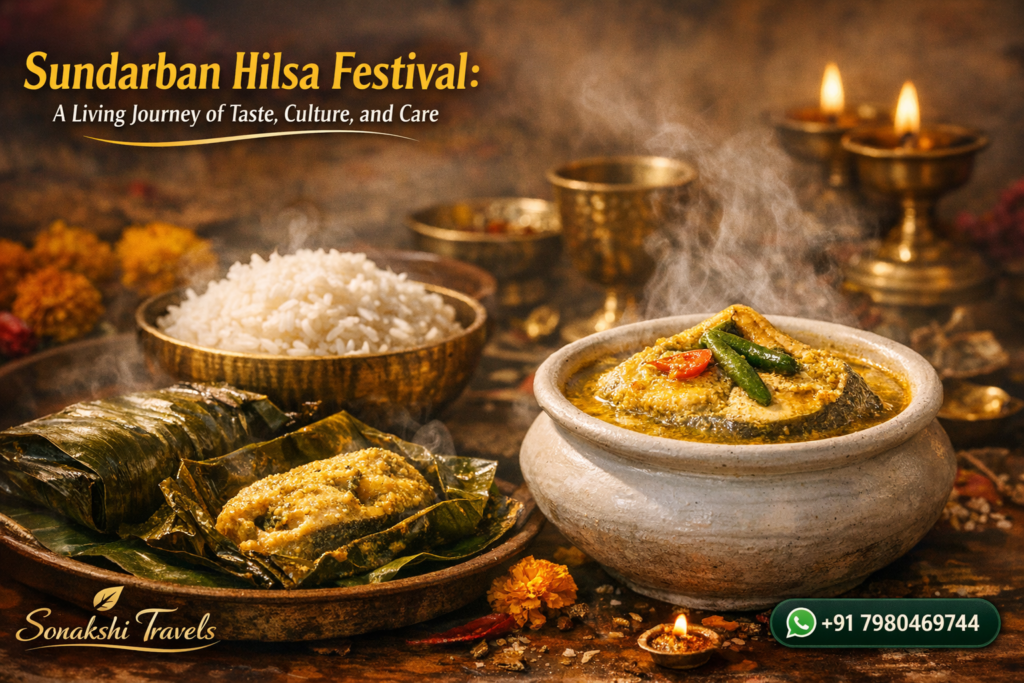
There are some journeys that begin with a place, and there are others that begin with a taste. In the Sundarban, both come together in a rare and beautiful way. The river land of tide, mud, mangrove, rain, and memory becomes even more meaningful when the story of hilsa enters it. Then the journey is no longer only about travel. It becomes a meeting of food, people, season, music, local pride, and deep feeling.
The idea of a Sundarban Hilsa Festival is powerful because it speaks to many kinds of travelers at the same time. A food lover sees it as a rich culinary event. A cultural traveler sees it as a window into Bengali life. A thoughtful visitor sees something more: the bond between river ecology, local livelihood, and the food traditions that grow out of both. This is why the experience feels complete. It is not built around one plate alone. It is built around a full atmosphere.
In this river region, hilsa is never treated like an ordinary fish. It carries emotion. It carries memory from family kitchens, festive tables, monsoon afternoons, and long conversations about taste. That emotional value gives the journey depth. A traveler who comes only to eat often leaves with a stronger understanding of the land itself. The mangrove world becomes easier to feel when food is used as a guide. The plate points toward the river, the river points toward the people, and the people point toward a way of life shaped by nature.
That is why this experience has such strong travel value. It combines food tourism, cultural tourism, and a softer form of eco-awareness in one flowing journey. It does not feel forced. It feels natural, because in the Sundarban, cuisine is not separate from geography. Taste is part of place. And when visitors enter that truth with patience, the experience becomes far richer than a normal trip.
Why Hilsa Becomes the Heart of the Sundarban Experience
Hilsa holds a special place in Bengali food culture, but in the Sundarban setting it gains an even deeper meaning. Here, the story of the fish is tied to river weather, water routes, local markets, home cooking, and seasonal expectation. It is not only valued for flavor. It is valued for what it represents. It stands for monsoon desire, family celebration, regional identity, and a kind of emotional richness that simple menu language cannot fully explain.
That is why a festival built around hilsa becomes much more than a meal event. It becomes a cultural expression. A visitor may first arrive with the idea of tasting famous dishes, but the experience slowly opens into something wider. Every serving style, every cooking method, and every conversation around the meal reveals another layer of meaning. Food becomes a language through which the traveler begins to understand the soul of the region.
This deeper food culture can be felt in the spirit of Bengali culinary traditions at the Sundarban Ilish Utsav, where the meal is not only about appetite but also about memory, hospitality, and the pride of serving hilsa with care. In such a setting, cuisine is presented not as a commercial item but as a living expression of place. That difference matters. It gives the festival dignity and makes the visitor feel part of something real.
The power of hilsa also comes from its ability to unite different kinds of experience. It is elegant enough for a premium culinary tour, familiar enough for family travel, and meaningful enough for those who seek culture through food. That flexibility is one reason why the theme works so well in travel writing and search intent. People searching for hilsa journeys are often searching for more than recipes. They are searching for a full experience around the fish. They want mood, setting, culture, and story. The Sundarban answers that need naturally.
More Than Food: A Journey Through River, Mood, and Memory
A true culinary journey is not created by taste alone. It is shaped by setting. In the Sundarban, that setting is unforgettable. Wide tidal rivers, green mangrove edges, shifting light, boat movement, village sounds, and monsoon softness create an atmosphere that changes the way food is felt. A meal on land and a meal in this living river landscape are not the same. The same dish gains new depth when it is surrounded by the very world from which its story rises.
This is why the idea of a hilsa tour in the Sundarban carries such strong emotional value. The traveler does not move from one restaurant to another in a busy city pattern. Instead, the journey unfolds slowly. The landscape gives time for hunger to grow, for expectation to build, and for the meal to feel earned. That slower rhythm is important. It supports the idea that food should be experienced, not rushed.
The feeling becomes even clearer in a concept like a culinary journey into the heart of Sundarban, where the idea of “heaven” is not only about richness of dishes but also about entering a place where cuisine, river life, and human emotion meet. The word journey matters here. It suggests movement, discovery, and gradual understanding. That is exactly what strong travel content needs. It turns food from a product into a path.
When written well, this kind of topic also avoids shallow tourism language. It does not depend on empty lines about “great taste” or “wonderful memories.” It can speak with depth because the setting itself provides depth. The river creates mood. The cuisine creates connection. Together they create trust in the reader’s mind.
A Food Festival That Feels Like a Complete Travel Experience
The strongest travel concepts are those that serve more than one desire at the same time. The Sundarban hilsa theme does exactly that. It satisfies the desire to eat well, but it also satisfies the wish to travel with purpose. This is what lifts the experience above a normal food event. It becomes a complete journey with layers of meaning.
That sense of fullness can be seen in the idea of a food lover’s Sundarban ilish special tour. The phrase suggests pleasure, but it also suggests design. A “special tour” is not random. It is shaped around the needs of the traveler. That means the culinary theme is not simply added at the end. It is built into the structure of the trip itself. This makes the journey more attractive to serious food travelers who do not want only one festive meal. They want a travel plan where food becomes part of the full experience.
In this kind of tour, every part of the day can support the theme. The morning river view prepares the mood. The local atmosphere builds curiosity. The meal becomes the emotional center. The conversation after the meal allows reflection. That full cycle is important. It turns a dish into an experience, and an experience into a memory.
From a content strategy point of view, this is where the topic becomes especially rich. It allows a writer to speak to multiple reader needs without losing focus. The article can discuss cuisine, seasonal feeling, regional culture, local identity, and travel planning under one main theme. This supports both search performance and reader satisfaction, because the content feels broad in value but unified in purpose.
Such a theme also fits naturally with modern travel behavior. Many travelers now want journeys that feel personal, local, and story-driven. They do not want only sightseeing. They want something they can feel, understand, and remember. A hilsa-centered Sundarban journey answers that wish in a very natural way. It offers taste, place, and meaning together.
Why the Best Hilsa Experience Is Also a Cultural Experience
The best food experience is rarely only about the food itself. It becomes great when it is held by culture. In the Sundarban, hilsa is surrounded by that cultural richness. Bengali food habits, festive emotion, local respect for seasonal eating, and the art of serving with warmth all help create a stronger impression. This is why a visitor remembers not only what was eaten, but how it was offered, where it was enjoyed, and what feeling stayed after the meal.
A rich example of this wider idea appears in the ultimate hilsa experience at the hilsa lovers festival, where the focus is not only on variety or abundance, but on the emotional and cultural fullness of the event. The word “ultimate” is meaningful only when many elements come together well. It suggests that the visitor is not receiving one highlight, but a rounded and memorable journey through taste, gathering, and shared appreciation.
Culture adds value in simple but powerful ways. It can appear in traditional recipes, local serving style, the rhythm of festival hospitality, or the way people speak about hilsa with affection and pride. These details may seem small, yet they make a strong difference. They help the traveler feel that the event belongs to a living tradition rather than a temporary attraction created only for tourists.
This is especially important for trust. Modern readers are quick to sense when a travel concept feels empty or over-marketed. But when food is connected to real culture, the message becomes stronger. The article can speak with honesty. It can show that the value of the festival comes not from big claims, but from the natural power of a tradition that already matters deeply to the people of the region.
Where Cuisine, Culture, and Conservation Meet
One of the most meaningful aspects of the Sundarban hilsa theme is that it can gently open the door to conservation. This must be handled with care. Conservation should not be used as a decorative word. It should appear as part of a respectful understanding of the place. The Sundarban is not only a scenic background. It is a fragile natural region where rivers, livelihoods, food traditions, and ecology are tied together.
That is why the idea of a Sundarban Hilsa Festival where culture, cuisine, and conservation meet is so important. It brings the deepest layer of the topic into view. The festival is not only about enjoying what the region offers. It can also remind visitors that such richness survives only when nature is respected. This adds seriousness and long-term value to the experience.
Food becomes a very effective path for this understanding because people connect strongly with what they eat. When a traveler learns that taste depends on river health, seasonal rhythm, and local balance, the meal gains a wider meaning. The fish on the plate is no longer seen as separate from the environment. It becomes part of a larger living system. That realization can be quiet, but it is powerful.
This makes the full theme especially strong for modern travel content. Today many readers are interested in journeys that feel responsible, not careless. They want pleasure, but they do not want pleasure without thought. The Sundarban hilsa experience can answer that need by showing that enjoyment and respect do not have to be opposites. A traveler can celebrate local cuisine while also appreciating the natural world that supports it.
In practical content terms, this also prevents the article from becoming one-dimensional. Without this layer, a food article may feel narrow. With it, the article becomes broader, wiser, and more memorable. It invites the reader not only to consume, but to understand. That creates stronger emotional engagement and a more lasting impression.
The Real Power of This Theme for Readers and Search Intent
The reason this combined topic works so well is simple: it answers both emotion and information at the same time. A reader may come searching for the best hilsa festival in Sundarban, a hilsa food tour, or a Bengali culinary travel experience. But behind those searches is one deeper wish. The reader wants a journey that feels real, rich, and worth remembering.
This is why the theme should be written as one unified story rather than as separate parts. The strongest message is not that there are many articles about hilsa. The strongest message is that the Sundarban offers one rare kind of journey where taste, place, culture, and care stand together. When that message is clear, the content becomes more useful to both people and search engines.
It also creates a strong editorial identity. Instead of sounding like a general tourism page, the article sounds focused, mature, and meaningful. It gives the reader something deeper than surface description. It offers interpretation. It explains why this experience matters, what makes it special, and how its parts connect.
A Journey That Stays Beyond the Plate
The Sundarban hilsa experience is powerful because it is never only about food. It is about how a beloved fish becomes the center of a larger human story. Through it, a traveler can taste Bengali tradition, feel the mood of the river, understand the emotional value of seasonal cuisine, and reflect on the natural world that supports this beauty.
That is what makes the theme so strong and so lasting. It speaks to the appetite, but it also speaks to memory. It offers pleasure, but it also offers understanding. It can attract a food lover, a cultural traveler, a thoughtful tourist, or a reader simply looking for something genuine. Each one can find a place inside the journey.
In the end, the true richness of a Sundarban Hilsa Festival lies in this union. It is a journey where the plate is full, but the meaning goes far beyond the plate. It is where hilsa cuisine, Bengali culture, river travel, and ecological respect come together in one living experience. That is why the memory of such a journey stays. Not because it was only delicious, but because it felt complete.