Why a Sundarban Tour Feels Like Story, Light, Silence, Breath, and Quiet Majesty Together
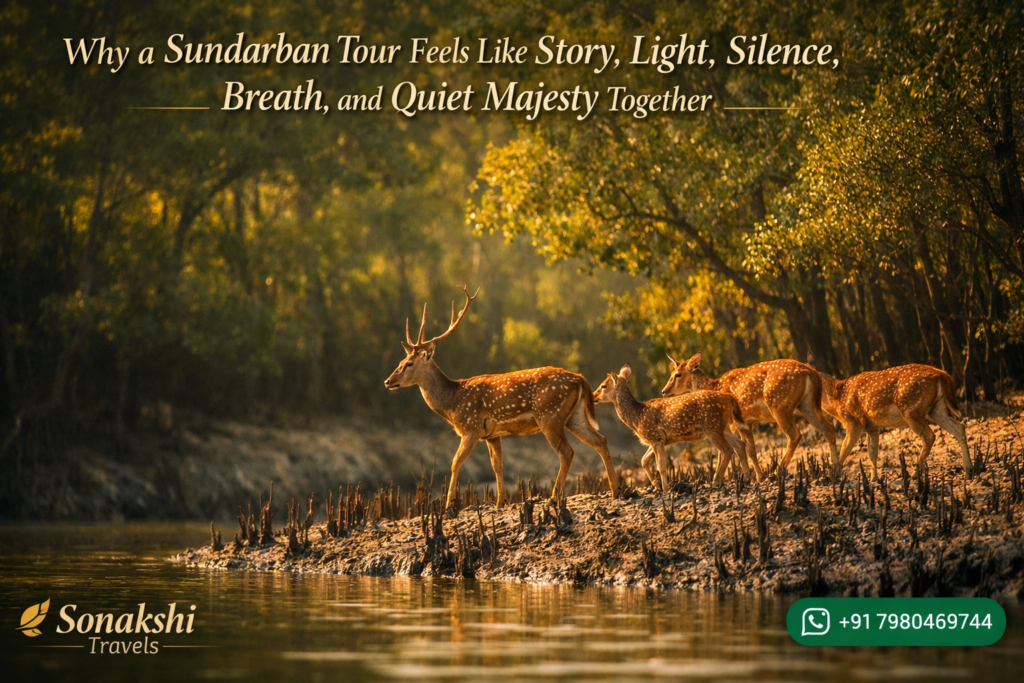
There are some journeys that begin before a traveller reaches the destination. They begin in the mind, in the tired body, in the long wish to leave noise behind, and in the quiet hope that nature can still change the way a person feels. A Sundarban tour often begins in exactly that way. It is not only a trip to a famous mangrove forest. It is not only a boat ride through tidal rivers. It is a deeper meeting with water, fading light, village rhythm, forest silence, and the old feeling that some places still carry a life far older than modern time.
Many travel places are easy to explain. A person can name the main view, the main road, and the main activity. But the Sundarban does not open itself so quickly. It moves in layers. Morning shows one face. Evening shows another. The forest looks calm, then mysterious. The river looks soft, then strong. The air feels simple, yet full of signs. This is why a Sundarban travel experience cannot be understood only through sightseeing. It must be felt through movement, pause, light, sound, and the slow change that happens inside the traveller.
What makes this journey special is not one single moment. It is the way many moments join together. The deep silence of the mangroves, the golden color of dusk on water, the soft glow of lamps after sunset, the feeling of relief when city pressure starts leaving the chest, and the royal calm of the wild world all become part of one complete experience. This is why the Sundarban remains in memory for a long time. It does not force wonder. It creates it slowly.
A meaningful mangrove forest tour is often remembered not because everything was loud or dramatic, but because everything felt connected. The boat, the riverbank, the changing sky, the smell of wet earth, the evening breeze, and the steady movement of life around the traveller all seem to speak to each other. In such a place, travel becomes more than movement. It becomes attention. It becomes rest. It becomes a way to feel the world again with fresh eyes.
The Sundarban Feels Older Than the Traveller Who Enters It
One of the strongest feelings of a Sundarban tour package is the sense that the land is carrying stories from a time before modern roads, city lights, and hurried days. The rivers seem to remember old tides. The mangrove roots look like they have been holding the banks in silence for ages. Even the stillness has weight. A traveller may arrive with a camera, a plan, and a short holiday schedule, yet the place itself feels much older and much deeper than all these things.
This feeling matters for both emotional and search intent reasons. People do not only look for a travel destination. They often look for meaning, depth, and a sense of escape from flat and repeated routines. The Sundarban answers this need in a rare way. It does not offer only activity. It offers atmosphere. It gives the traveller a place where time feels wider. That is why ideas like memory, age, and story fit this landscape so naturally.
In many ways, the traveller is not the main character here. The forest is. The tides are. The river paths are. This shift is powerful. In city life, people often feel that everything turns around human speed and human demand. But in the Sundarban, people must adjust to the rhythm of nature. The boat follows water. The day follows light. The mind slowly follows silence. This change can feel humbling, but it also feels cleansing.
The idea becomes even clearer in the emotional pull suggested by stories older than your footprints on a Sundarban tour. That phrase captures something very true about this region. A traveller may pass through it for two days or three, but the place itself carries a much longer life. When travel creates that feeling, it stops being ordinary tourism and becomes a stronger, more lasting experience.
Light Changes the Mood of the Journey from Day to Evening
Another powerful part of the Sundarban is the way light shapes emotion. In the morning, light feels clean and open. It shows water, sky, and the green edge of the forest with clarity. By late afternoon, the same landscape becomes softer and more thoughtful. Then evening comes, and the whole mood changes again. This movement from brightness to glow is one of the reasons a Sundarban trip feels rich and complete.
Travel writing often gives too much importance to only big sights. But in places like the Sundarban, light itself is one of the main attractions. A lantern after sunset is not just a source of brightness. It becomes part of the feeling of the place. It suggests care, shelter, and a slower way of living. Against mangrove darkness and quiet water, even a small warm light can feel deeply beautiful. This contrast between shadow and glow creates memory very strongly.
That beauty is reflected well in the image of lantern-lit moments on a Sundarban tour. The idea is not only visual. It is emotional. The traveller begins to understand that the Sundarban is not only about wildlife or geography. It is also about mood. Soft evening light on a boat or near a riverside stay can make the whole journey feel calm, intimate, and almost timeless.
For readers planning a future visit, this has practical value too. It shows why the journey should not be rushed. A rushed visitor may only look for a quick forest view and return. But a thoughtful traveller understands that sunrise, late afternoon, and evening are all part of the full experience. When the day is allowed to unfold naturally, the trip gains depth. The memory becomes much stronger because the traveller has seen the Sundarban in different emotional colors, not in one fixed frame.
When the City Feels Heavy, the Rivers Restore the Breath
Modern life creates a special kind of tiredness. It is not always only physical. It is mental, emotional, and sensory. Too much sound, too much pressure, too much speed, and too little rest leave many people feeling closed inside themselves. This is why the search intent behind a Sundarban nature escape often includes more than simple holiday interest. People want relief. They want openness. They want to feel air, distance, and calm again.
The Sundarban answers this need through space and rhythm. Open river channels, long boat movement, green silence, and the absence of city pressure help the mind settle down. Breathing itself begins to feel different. In a crowded city, breath may feel short and unnoticed. On water, under a wide sky, it becomes fuller and more natural. This is one of the simplest but most important reasons the Sundarban feels healing.
The emotional meaning becomes clear in a Sundarban tour that restores breath after city life. The language is poetic, but the truth behind it is easy to understand. Nature does not always heal through grand events. Sometimes it heals through quiet repetition: the sound of water against the boat, the distant bird call, the slow passing of riverbanks, and the growing absence of traffic, screens, and noise.
This is also why the Sundarban attracts not only adventure seekers, but also thoughtful travellers, couples, families, writers, and people who simply need peace. The destination gives them room to step out of mechanical time. It reminds them that rest is not laziness. Rest is recovery. A good Sundarban holiday gives the body leisure, but it also gives the mind something even more valuable: the chance to soften.
Dusk in the Sundarban Turns the Landscape into Pure Atmosphere
There is a special hour in many natural places when the day stops being practical and starts becoming emotional. In the Sundarban, dusk often does exactly that. The sky changes, the light turns gold, the water catches color, and even the forest line begins to look more dramatic. Nothing may be moving quickly, yet everything seems alive. This is the hour when the destination feels less like a route and more like a living painting.
Dusk matters because it gathers many core qualities of the region into one moment. The silence becomes deeper. The colors become softer but richer. The wild character of the land becomes more visible, even when it remains quiet. It is not always a loud or fearful wildness. Often it is a dignified wildness. It asks the traveller to stop, look, and feel the scale of the place.
That sense is beautifully carried by golden dusk on a Sundarban tour. The phrase joins two important ideas: color and stillness. This is exactly what gives the Sundarban its power. The traveller does not need constant entertainment. Sometimes the strongest experience comes from standing quietly and allowing the atmosphere to do its work.
Dusk also sharpens awareness. As daylight begins to fade, the traveller notices small things more carefully. The edge of a creek, the sound of wings, the shape of roots, the movement of water, and the changing balance between light and shadow all become more meaningful. This deep attention is one reason the journey stays in memory. It trains the mind to notice, and in doing so, it brings the traveller closer to the place.
For many visitors, this hour becomes the emotional center of the whole trip. It is when beauty, mystery, and rest seem to meet. The city teaches people to move faster before dark. The Sundarban teaches something else. It teaches that evening can be a time of wonder. It can be a time to breathe deeply, slow down, and feel part of something larger than daily life.
The Wild Here Does Not Feel Harsh Alone; It Also Feels Noble and Regal
When people think of wild places, they often imagine danger first. But the Sundarban creates a more complex feeling. Yes, it is wild. Yes, it deserves respect. Yet it also carries a kind of calm authority. The rivers move with strength. The mangroves stand with quiet firmness. The whole landscape feels composed, serious, and self-contained. This is why the wild here can feel regal rather than only rough.
The phrase becomes very clear in the regal side of a Sundarban tour. The word “regal” matters because it changes the frame. It tells us that the value of the experience is not only in thrill. It is also in dignity. The forest does not perform for the visitor. It remains itself. That self-possession is what gives it grace.
This idea also raises the quality of travel understanding. A mature traveller does not visit the Sundarban only to collect quick sightings or dramatic stories. A mature traveller learns how to respect mood, setting, and ecological character. The beauty of the Sundarban comes not from control, but from coexistence. Boats pass through the waterways, but the land still belongs to tidal rhythm, mangrove systems, and wild balance.
That is why a good Sundarban forest tour feels both exciting and thoughtful. It offers wonder, but it also asks for humility. It offers beauty, but beauty shaped by real natural power. It offers peace, but peace that exists inside a living wild environment. This mix is rare. Many destinations are either too polished or too chaotic. The Sundarban feels balanced. It is wild, yet graceful. Quiet, yet powerful. Remote, yet emotionally close.
Why This Journey Stays in Memory Long After the Tour Ends
At the end of the trip, travellers often carry back more than photographs. They carry a changed mood. They remember the old feeling of the rivers, the soft glow of evening, the open breath after city pressure, the gold of dusk, and the noble calm of the wild world. This is why the Sundarban does not fade quickly from memory. It gives not only visual scenes, but emotional marks.
The deeper value of a Sundarban tour lies in this complete experience. Story, light, silence, relief, and majesty do not remain separate themes. They join together and form one strong travel truth: the Sundarban is not only a place to visit, but a place to feel. It teaches that travel can still be slow, meaningful, and inwardly rich. It reminds people that nature does not always need to shout to be unforgettable.
For anyone planning future travel, this insight matters. The best journeys are not always the ones with the longest list of sights. Often they are the ones that change the traveller’s state of mind. The Sundarban does this through atmosphere, rhythm, and emotional depth. It creates a rare union of natural beauty and inner quiet. That is why the journey feels complete even when it is simple.
In the end, the Sundarban remains special because it speaks to more than one human need at the same time. It offers escape from pressure, beauty without noise, mystery without confusion, and wildness without losing grace. It gives the traveller not just a destination, but a deeper sense of presence. And that is why a true Sundarban travel experience feels like story, lantern light, returning breath, golden dusk, and quiet majesty all moving together in one unforgettable journey.