Why a Sundarban Tour Feels Like Time, Water, Silence, Joy, and the Green World Coming Together
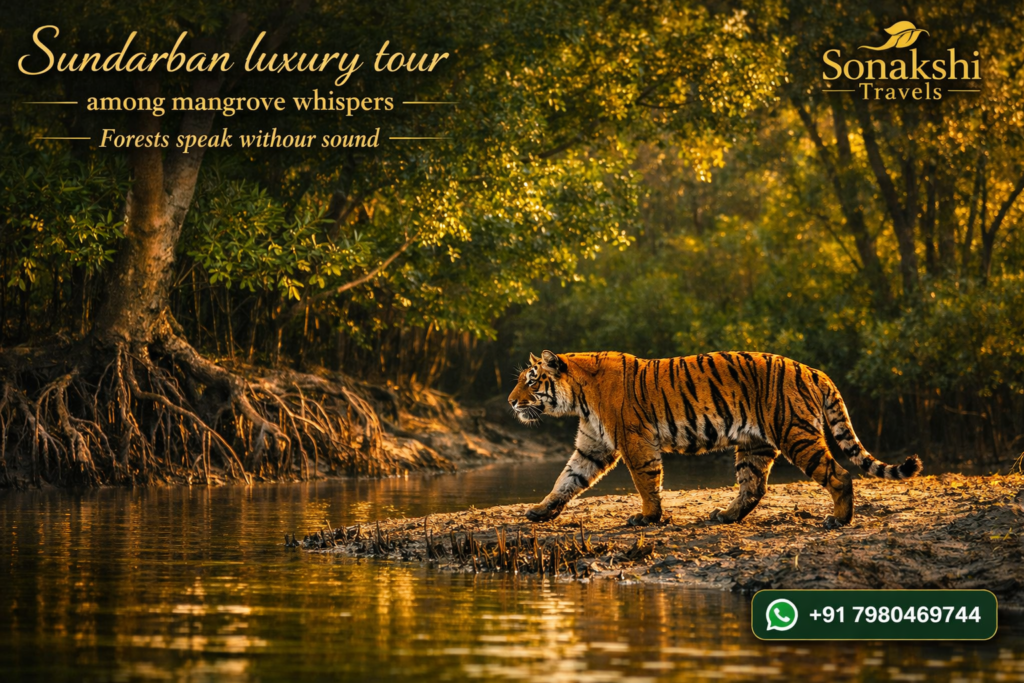
The modern traveller often looks for speed. A place is visited, photographed, and quickly explained. Many trips are shaped by checklists. People want clear roads, fixed points, and a simple story that can be told in a few lines. Yet some landscapes do not open in that way. They ask for patience. They speak slowly. They reveal their meaning in layers. A Sundarban tour belongs to that rare kind of journey.
In the Sundarban, the experience is not built around one monument, one market, or one famous street. It grows from moving water, changing light, deep green forest lines, village life, tidal rhythm, and long moments of silence. The place does not rush to impress. Instead, it draws the traveller into a softer and deeper way of seeing. That is why the Sundarban often stays in memory long after the tour ends. It is not only because of wildlife, mangrove beauty, or boat travel. It is because the region changes the pace of the mind.
A real Sundarban travel experience feels larger than a normal holiday because many things work together at once. Time feels slower. Water seems alive with memory. Silence becomes powerful rather than empty. Greenery does not remain a background image; it becomes the main presence. Joy is not loud and forced. It rises quietly from shared meals, calm boat rides, open skies, bird calls, and the simple wonder of being in a place that still feels half-wild and deeply rooted in nature.
For this reason, a journey through the Sundarban is best understood not as a single tourist activity, but as a complete meeting with landscape, feeling, and awareness. It is a place where outer travel and inner response often move together. The traveller watches rivers, but also begins to notice thoughts more clearly. The traveller looks at the forest, but also senses the value of stillness. That is what makes this region different. It is not only seen. It is felt.
When Time Begins to Move in a Different Way
One of the deepest qualities of the Sundarban is its effect on time. In many travel destinations, every hour is packed with activity. The aim is to do more, see more, and move faster. But the Sundarban does not reward hurry. Its character comes from tide, distance, weather, river turns, and changing daylight. These natural patterns gently loosen the grip of clock-based thinking.
That is why a Sundarban tour where time loosens its grip feels like such a fitting idea. The phrase captures something true about the region. Here, people often stop counting the day in a strict way. Morning light on the river, the long drift of a boat, the sight of mangrove roots along a muddy bank, and the slow approach to a watchtower all create a different sense of duration. Hours no longer feel heavy. They begin to flow.
This slower rhythm matters because it changes the quality of travel. Instead of racing from one point to another, the traveller becomes more attentive. Small details start to matter more. The colour of the sky before sunset, the sound of water touching the boat, the movement of birds over the trees, and the quiet work of local life along the river all become part of the journey. A place that may look simple at first begins to feel rich and full.
Water as Memory, Movement, and Meaning
No understanding of the Sundarban is complete without water. Rivers, creeks, tidal channels, wet soil, and reflective surfaces shape the whole region. Water is not only part of the scenery. It is the structure of life itself. It defines movement, work, settlement, danger, beauty, and direction. To travel here is to enter a world where land and water are always speaking to each other.
This is why the idea of a Sundarban tour where water remembers everything carries such deep meaning. In a place formed by tide and river, water seems to hold stories. It carries signs of seasons, labour, migration, fishing, prayer, storm, and survival. Every bank, every bend, and every muddy edge feels touched by old movement. Even when the surface looks calm, the water suggests a long and living past.
For the traveller, this creates a special emotional effect. A river journey through the Sundarban does not feel like moving across empty space. It feels like passing through a landscape full of memory. The boat becomes more than transport. It becomes the means by which the visitor enters the region’s real language. That language is fluid, shifting, and layered. It does not speak in stone. It speaks in current, depth, reflection, and tide.
This gives the Sundarban boat safari a meaning that goes beyond sightseeing. Travellers are not simply watching the river; they are being carried by the main element that has shaped the region for generations. Water connects forest to village, wildlife zone to human settlement, silence to sound, and present moment to older time. It is both road and witness.
That is also why many travellers remember not a single attraction, but the total feeling of being surrounded by water. They remember the slow opening of river width, the mirrored sky, the sudden quiet near the forest line, and the sense that the whole place is being written and rewritten by tide. Such memories last because they are not flat images. They are full-body experiences.
Why Silence in the Sundarban Never Feels Empty
In many parts of modern life, silence feels unusual. People live among traffic, screens, noise, and constant movement. Because of that, many travellers now seek destinations that offer calm. Yet true silence is not just the absence of sound. It is the presence of a deeper order. In the Sundarban, silence is never dead. It is alert, layered, and full of hidden life.
This truth is beautifully suggested by the idea of silence that roars on a Sundarban tour stream. The phrase may sound poetic, but it points to a real travel experience. The Sundarban often feels quiet on the surface, yet the quiet carries great force. It includes bird calls, leaf movement, distant engine sound, water touch, and the unseen presence of animals within the mangrove depth. This kind of silence is not empty space. It is concentrated life.
For that reason, the region creates a form of attention that many travellers do not experience elsewhere. One begins to listen more closely. A small sound matters. A pause matters. The wide gap between one noise and another becomes meaningful. This is one reason why the Sundarban wildlife experience feels different from travel in crowded forest zones. The mind becomes sharper because the environment asks for careful awareness.
There is also a human side to this silence. Away from urban pressure, people often feel lighter. Conversations become calmer. Meals feel slower. Family members speak with more ease. Friends notice things together without needing to fill every moment. This makes the Sundarban especially valuable for travellers who are not only searching for scenery, but for mental rest and emotional reconnection.
The Green World That Changes the Mind
The Sundarban is also a place of powerful greenness. But this is not the soft, easy green of a city garden or a park. It is a working, breathing, tidal green. It grows through mud, salt, water, roots, and survival. It feels dense, patient, and ancient. For many travellers, this kind of green creates a strong inner response because it is very different from the managed nature they see in daily life.
This is why the idea that the soul seeks green on a Sundarban tour feels so meaningful. The phrase expresses a real form of longing. Many people do not realise how deeply they miss contact with raw nature until they enter a place where nature still feels complete. The mangrove world does not merely decorate the journey. It reshapes its emotional centre.
The effect of this landscape is both visual and mental. The eye rests on endless bands of foliage, river edge, and forest line. The body feels the cooling effect of shade and wind. The mind responds to repetition, softness, and natural pattern. This is one reason why the mangrove forest tour attracts travellers who want something deeper than entertainment. The experience is immersive. It surrounds rather than simply presents.
The green world of the Sundarban also teaches an important travel truth. Beauty is not always bright or dramatic. Sometimes beauty is steady, humid, layered, and quiet. The forest does not need ornament. Its roots, textures, and living density are enough. Travellers who enter this space often come away with a different idea of natural richness.
The deeper value of the Sundarban’s green world is that it gives people a sense of contact with something larger than themselves. The traveller may arrive looking for a tour, but often leaves feeling that the journey was also a return to something older, calmer, and more grounded.
Joy in the Sundarban Is Quiet, Shared, and Deep
Not all joy is loud. Not every beautiful journey needs music, crowds, or spectacle. In the Sundarban, joy often rises from togetherness, surprise, relief, and simple presence. It comes from watching children enjoy a boat ride, sharing fresh food in open air, seeing birds across the water, or laughing softly during an evening rest after a long day on the river.
This is why the idea that joy echoes louder than drums in the Sundarban tour holds such strong emotional truth. The region offers a form of happiness that does not depend on noise. It grows naturally from the setting. People feel joy because the environment makes space for feeling. There is less pressure, less crowding, and more direct contact with shared experience.
This is especially important for family travel, couple travel, and small group travel. A Sundarban family tour becomes meaningful because it creates real time together. A Sundarban couple tour feels special because the landscape supports calm and closeness. A group of friends often remembers not one major event, but the whole emotional shape of the trip: boat conversations, quiet sunsets, local flavours, and the wonder of moving through a place so unlike daily life.
Joy in this region is also tied to discovery. Every turning river creates expectation. Every forest edge holds possibility. Every watchtower visit adds a new viewpoint. Even when wildlife remains partly hidden, the experience does not feel empty. The journey itself has value. That is a major strength of the Sundarban as a travel destination. It does not depend on one guaranteed sighting. It offers a complete atmosphere.
The lasting power of the Sundarban comes from this quiet fullness. The traveller leaves not only with photographs, but with a changed emotional memory. The joy was real because it was lived slowly, naturally, and together.
Why the Sundarban Stays in Memory Long After the Journey Ends
A strong journey does more than entertain. It leaves a shape in the mind. The Sundarban does this because it combines several rare qualities in one experience. It slows time. It places water at the centre of movement and meaning. It gives silence weight. It surrounds the traveller with a deep green world. It creates joy without force. These qualities do not remain separate. They join together and form one lasting impression.
That is why a Sundarban tour often feels larger than expected. Many travellers may begin with a simple wish to visit a famous mangrove region, enjoy a boat ride, and spend time in nature. But the deeper result is often more personal. The place changes how the journey is remembered. It feels less like a list of activities and more like a complete experience of rhythm, space, and feeling.
The Sundarban stands apart because it offers not only scenery, but a rare kind of relationship between traveller and landscape. The rivers carry the journey. The forest shapes the mood. The silence sharpens attention. The green world calms the mind. The shared joy of the trip gives warmth to memory. This is why the region continues to hold such strong appeal for those who seek something more meaningful than ordinary travel.
In the end, the greatest truth about the Sundarban is simple. It is not only a destination to visit. It is a living world to enter. And once entered with patience and openness, it often remains within the traveller for a very long time.