How Sundarban Hilsa Festival Becomes a Living Journey of Taste, Rain, Family, and River Memory
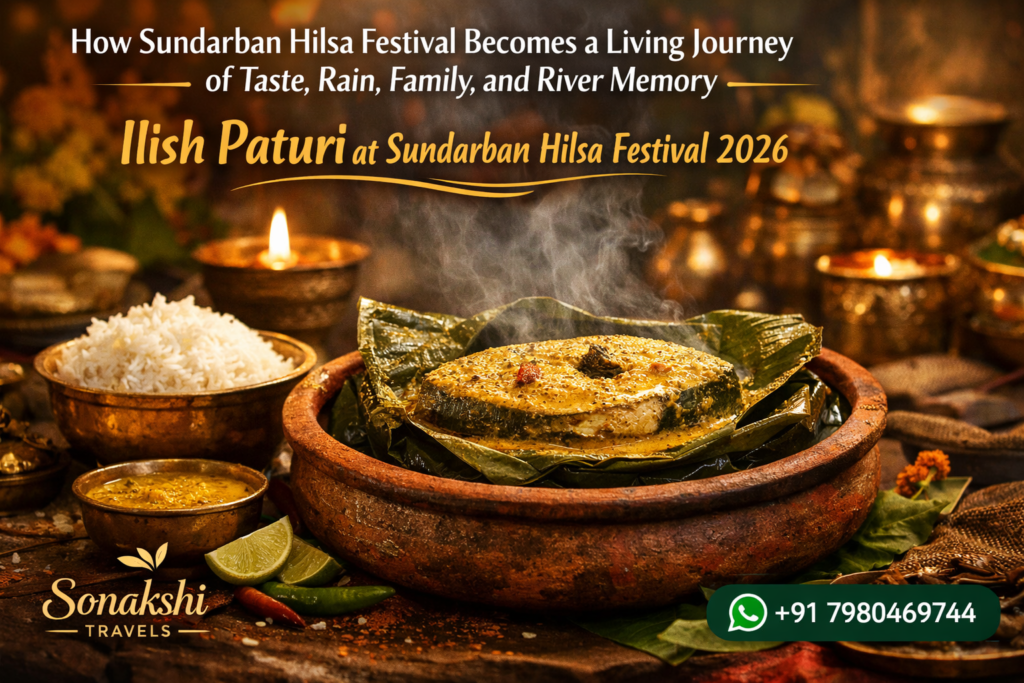
Some journeys are planned for sightseeing alone. Some are planned for food alone. But there are rare journeys where place, season, culture, family feeling, and local taste come together so naturally that they cannot be separated. The Sundarban during the hilsa season is one of those rare experiences. It is not only about eating a famous fish. It is not only about moving through rivers and mangrove lands. It is a full meeting with monsoon light, village rhythm, boat life, Bengali food tradition, and the quiet emotional power of the delta.
When people think about the Sundarban Hilsa Festival, they often imagine a menu filled with special hilsa dishes. That is certainly one part of the attraction. Yet the deeper value of the experience is much wider. The festival creates a complete setting where taste becomes memory, food becomes culture, and travel becomes something more personal than an ordinary holiday. The journey moves through rain-washed rivers, green edges of mangrove forest, warm hospitality, family-friendly comfort, and the rich food heritage of Bengal.
In this kind of travel, the famous hilsa is not only served on a plate. It becomes a symbol of season, river life, local identity, and shared joy. The monsoon months give the land a softer, fuller, and more emotional character. Water seems to breathe with the sky. Boat journeys feel slower and more thoughtful. Meals feel more meaningful. Conversations last longer. A guest does not only visit the Sundarban at such a time. A guest feels the place in a deeper way.
That is why a festival journey here should be understood as more than an event. It is a complete cultural and sensory experience. Food lovers find depth in the many forms of hilsa cooking. Families find comfort in a well-shaped seasonal escape. Travelers interested in local life discover that the river, the weather, the food, and the people all speak to one another. The result is a travel experience that stays in memory long after the journey ends.
The Real Meaning of a Hilsa Journey in the Sundarban
The strongest appeal of this seasonal journey lies in its wholeness. A hilsa-based trip to the Sundarban is not one narrow food activity. It is a layered form of travel where taste, culture, nature, and human warmth meet in one flowing experience. This is important because many travelers now look for journeys that feel complete. They do not want only a meal. They do not want only a hotel stay. They want a meaningful atmosphere in which every part of the trip supports the other parts.
In the Sundarban, this becomes possible because the landscape itself already carries emotional depth. The tidal rivers, wet air, moving clouds, and green mangrove lines create a setting that naturally slows the mind. When the season of hilsa enters this landscape, the experience becomes even richer. Food no longer feels separate from the journey. It becomes part of the river story.
This is why a thoughtful festival experience often feels deeper than a normal tour. Guests are not just consuming dishes. They are entering a seasonal Bengali world where recipes carry memory, where rain changes the mood of the day, and where river travel gives context to every meal. The taste of hilsa becomes stronger because it is being enjoyed in a place that understands the fish not only as food, but also as heritage.
Many travelers are drawn toward the emotional and culinary side of this seasonal celebration through the idea presented in Sundarban Hilsa Festival: a living journey of taste, culture, and care. That idea matters because it shows that the real value of the experience is not excess or display. It is the harmony between careful hospitality, local culture, and the sensory life of the river delta.
Why Hilsa Feels So Special in Bengal’s River Culture
To understand the power of this journey, one must understand why hilsa holds such a special place in Bengali life. Hilsa is not treated like an ordinary fish. It carries memory, celebration, family tradition, seasonal expectation, and culinary pride. In many Bengali homes, hilsa is linked with rain, festival feeling, and the emotional joy of shared meals. It is both everyday and royal at the same time. That rare balance gives it unusual cultural force.
Its importance grows even more in a river land like the Sundarban. Here, water is not only background scenery. It shapes local life, movement, economy, weather feeling, and food identity. In such a setting, hilsa feels especially meaningful. The fish belongs to the language of rivers, and the Sundarban is one of the great river worlds of eastern India.
What makes the experience even richer is the wide range of ways in which hilsa can be prepared and enjoyed. One dish may bring out the gentle oil-rich softness of the fish. Another may highlight mustard, steam, leaf wrapping, or slow cooking. A third may show a more festive or home-style side of Bengali tradition. These differences matter because they turn the meal into a form of storytelling. Each preparation offers a different mood, texture, and memory.
This richness is beautifully suggested in the many royal tastes of hilsa at Sundarban Hilsa Festival 2026, where the deeper message is not only variety, but culinary dignity. Hilsa is presented not as a single item on a menu, but as a many-sided expression of Bengali food culture. That makes the festival journey more meaningful for travelers who want to understand the place through its food rather than simply taste something famous.
How Monsoon Changes the Mood of the Entire Journey
The monsoon is not a small seasonal detail in the Sundarban. It changes the feeling of the landscape itself. Rivers appear fuller. The air becomes softer and heavier. Light turns diffused and gentle. Trees look deeper green. The sounds of rain, water movement, and distant bird calls create a different emotional rhythm from the dry season. Because of this, a hilsa journey during monsoon carries a kind of atmosphere that cannot be created at another time of year.
For many travelers, this is what makes the experience unforgettable. The meal feels richer because the weather feels alive. A warm plate of hilsa enjoyed beside rain-washed water carries emotional force. A boat ride under cloud-filled skies does not feel like simple transport. It feels like part of the story. Even silence becomes meaningful in such an environment.
Monsoon also creates a strong sense of seasonal truth. Guests feel that they are visiting at the right moment, when the land and the food naturally belong together. This deepens the travel experience. It removes the feeling of a manufactured festival and replaces it with something more organic. The season itself becomes part of the host.
This emotional union of rain, river, fish, and memory is strongly reflected in when monsoon, river, and hilsa become one living memory in Sundarban. The idea is powerful because it points to a truth many travelers feel but cannot always express: in the Sundarban, the best journeys are not built from attractions alone. They are built from relationships between season, place, and human feeling.
Why This Experience Works So Well for Families and Shared Travel
A strong seasonal journey is not only about beauty or food quality. It must also feel welcoming and manageable for the people who travel together. This is one reason why the Sundarban hilsa experience holds broad appeal. It can satisfy different kinds of travelers within the same journey. Food lovers enjoy the culinary side. Older travelers enjoy the calm and comfort. Children and younger family members enjoy the boat movement, natural scenery, and change from city life. Everyone finds a different point of connection.
Food also plays a powerful role in this shared experience. A family does not only travel together; it eats together, reacts together, and remembers together. Meals become gathering points. Stories are exchanged. Preferences are discussed. Traditional dishes create curiosity even among those who may not know much about Bengali cuisine. In this way, the festival experience becomes socially warm. It is not built around isolated sightseeing. It is built around togetherness.
The broad and inclusive nature of such a journey can be felt in Sundarban Hilsa Festival 2026: a complete journey of taste, family, culture, and care. The key idea here is completeness. The journey is not meant to impress through one single feature. It works because food, family comfort, cultural setting, and caring hospitality support each other naturally.
The Role of Care, Hospitality, and Cultural Feeling
One of the most important reasons why this type of journey leaves such a strong memory is the role of care. Good hospitality does not only mean service. It means that the whole journey feels thoughtfully shaped. In a river destination like the Sundarban, that matters deeply. Guests want to feel guided, welcomed, and looked after. They want the experience to feel smooth, warm, and human.
When this level of care is combined with local food tradition, the result becomes powerful. A meal of hilsa feels more special when it is offered with cultural understanding. The same dish can feel ordinary in one place and meaningful in another. In the Sundarban setting, the emotional quality of hosting adds value to every part of the experience.
Cultural feeling also matters because travelers today often search for experiences that do not feel empty or overly commercial. They want to sense the soul of a place. In the Sundarban, this soul appears through the language of river life, the tone of local cooking, the pace of the monsoon season, and the quiet dignity of Bengali hospitality. These are not loud features, but they are lasting ones.
This is why the best version of such a journey should not be described only in terms of dishes, rooms, or transport. It should also be understood as an atmosphere of trust and belonging. When guests feel that the trip has emotional shape, they remember it differently. It becomes not only enjoyable, but personal.
A Journey Where Food Becomes Memory
In the end, the true beauty of this seasonal Sundarban experience lies in its unity. The rivers are not separate from the meals. The rain is not separate from the mood. The fish is not separate from culture. Family comfort is not separate from hospitality. Everything joins into one flowing experience that feels both simple and deep.
This is why the journey stays in memory. A person may first remember the taste of a carefully prepared hilsa dish. Then they may remember the soft monsoon air over the river. After that, they may remember shared meals, quiet boat moments, warm hosting, and the feeling that the Sundarban was not only visited, but truly felt. That layered memory is the real success of the experience.
A well-shaped Sundarban Hilsa Festival journey, therefore, is not only a travel plan. It is a cultural passage through river Bengal at one of its most expressive moments. It brings together hilsa cuisine, monsoon atmosphere, family warmth, local care, and river memory in a way that few destinations can offer. That is what makes it special. That is what makes it complete. And that is why it continues to hold such strong emotional and thematic power for readers and travelers alike.