Sundarban Ilish Utsav Food Culture – Story behind hilsa traditions
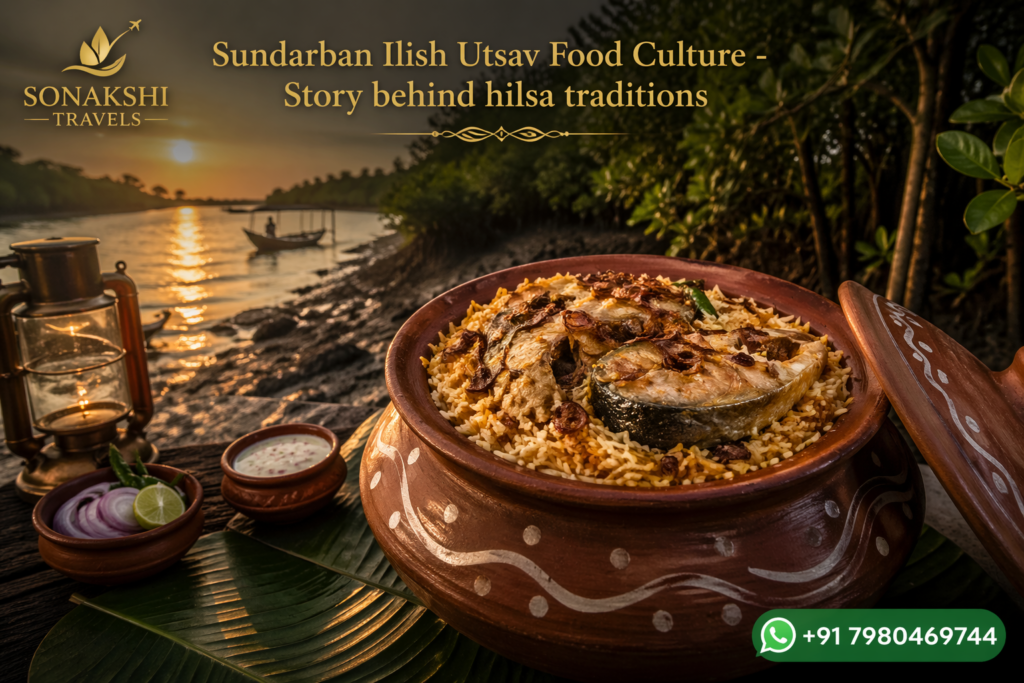
The Sundarban Ilish Utsav is not only a seasonal food festival. It is a living expression of Bengal’s river culture, family memories, village kitchens, monsoon emotion, and deep respect for the hilsa fish. In Bengal, hilsa is never treated like an ordinary fish. It carries taste, nostalgia, tradition, and identity. When this celebrated fish becomes part of the Sundarban journey, the experience becomes richer because the food is enjoyed beside rivers, creeks, mangrove forests, and boat routes that naturally belong to the delta landscape.
The story of hilsa traditions in the Sundarban region is closely connected with water. Rivers shape the land, support local fishing communities, guide travel routes, and influence seasonal food habits. The arrival of hilsa during the monsoon period creates a special feeling among Bengali families. People wait for this time because hilsa is linked with rain, fresh river breeze, warm rice, mustard gravy, and shared meals. This is why the food culture of the Sundarban Ilish Utsav feels emotional as well as delicious.
Why Hilsa Holds a Special Place in Bengali Food Culture
Hilsa has a unique position in Bengali cuisine because its taste is delicate, rich, and deeply satisfying. The fish has natural oil, soft flesh, and a strong aroma that becomes more beautiful when cooked with simple ingredients. Bengali cooking does not try to hide the taste of hilsa. Instead, it protects the original flavour through careful use of mustard, green chilli, turmeric, salt, and mustard oil.
For many Bengali families, ilish machh is connected with festivals, family gatherings, rainy afternoons, and special invitations. A meal with hilsa often feels more meaningful than a regular lunch. It may remind someone of childhood, grandmother’s kitchen, village homes, or a family trip during the rainy season. This emotional value makes hilsa more than food. It becomes a cultural memory.
The Sundarban Connection with Hilsa Traditions
The Sundarban is a river-based region where food and landscape are closely connected. The people of the delta have always lived with rivers, tides, boats, fish, honey, forests, and seasonal changes. In such a place, hilsa naturally becomes part of local food identity. The Sundarban food culture carries the simplicity of river life, where freshness matters more than heavy decoration.
Rain, tide, river condition, humidity, and travel timing all shape the food experience. A useful seasonal guide to the Sundarban Hilsa Festival 2026 and weather impact can help travelers understand why the festival feels different during the monsoon period.
Monsoon, River, and the Taste of Hilsa
The monsoon has a strong connection with hilsa traditions. During this season, Bengal’s rivers become fuller, the air becomes softer, and food habits also change. People naturally look for warm rice, light spices, fried fish, mustard-based curries, and comforting meals. Hilsa fits perfectly into this seasonal mood.
In the Sundarban, the monsoon atmosphere adds more depth to the meal. A plate of steamed hilsa or shorshe ilish feels different when it is served near a river or on a boat. The sound of water, cloudy sky, mangrove view, and slow travel rhythm make the food experience more memorable. This is one reason why the Sundarban Ilish Utsav has become attractive for people who want both taste and atmosphere.
Traditional Hilsa Dishes Served During the Festival
Shorshe Ilish
Shorshe ilish is one of the most respected hilsa dishes in Bengali cuisine. It is prepared with mustard paste, green chilli, turmeric, salt, and mustard oil. The beauty of this dish lies in balance. The mustard should be sharp but not bitter. The chilli should add freshness without overpowering the fish. The gravy should hold the flavour of hilsa without becoming too heavy.
Ilish Bhaja
Ilish bhaja is simple fried hilsa, but its cultural value is very high. It is usually served with hot rice, a little salt, green chilli, and sometimes the oil left after frying. Many Bengali people consider this one of the purest ways to enjoy hilsa because it allows the natural taste of the fish to come forward.
Bhapa Ilish
Bhapa ilish means steamed hilsa. This dish is soft, aromatic, and deeply traditional. The fish is usually coated with mustard paste, curd or coconut in some versions, green chilli, and mustard oil, then steamed slowly. The result is rich but not heavy. It is a dish that shows the quiet elegance of Bengali cooking.
Ilish Paturi
Ilish paturi is cooked by wrapping the fish in banana leaf with mustard paste and spices. The leaf adds a special earthy aroma. This dish connects food with nature, which makes it very suitable for the Sundarban setting. The method feels traditional, careful, and full of local character.
Food as a Cultural Story, Not Just a Menu
The food culture of the Sundarban Ilish Utsav is not only about listing dishes. It is about how the food is cooked, served, shared, and remembered. A hilsa meal usually follows a rhythm. First comes rice and fried items. Then comes the main mustard-based dish. The meal may include dal, vegetable preparation, chutney, and sweets depending on the package or local arrangement. This sequence reflects Bengali meal culture.
In many Bengali homes, elders often guide younger members on how to eat hilsa carefully because the fish has fine bones. This small act also becomes part of tradition. Eating hilsa teaches patience. It is not fast food. It demands attention, care, and respect. That is why hilsa meals often create longer conversations around the table.
Role of Local Cooks and Traditional Knowledge
The real strength of Sundarban Ilish Utsav food culture comes from local cooking knowledge. Experienced cooks understand how to handle hilsa without damaging its taste. They know that too much spice can spoil the fish. They also understand how weather affects appetite. During humid or rainy days, the food must be flavourful but not too heavy.
Local cooks often follow practical wisdom rather than written recipes. They understand the smell of fresh fish, the sharpness of mustard, the right amount of oil, and the correct cooking time. This knowledge is passed through homes, kitchens, riverside communities, and tourism kitchens. It gives the festival an authentic character.
Seasonal Planning and Weather Influence on Food Experience
The Sundarban Hilsa Festival is closely linked with seasonal planning. Weather affects river travel, food storage, boat movement, comfort, and the overall mood of the journey. The monsoon can make the rivers beautiful, but it also requires careful planning. Travelers should understand that the experience is shaped by natural conditions, not only by package price or hotel category.
This is why reading a Sundarban Hilsa Festival 2026 seasonal weather guide is useful before planning the trip. It helps visitors understand how rain, river routes, and seasonal timing can influence the comfort and food experience during the festival.
Why Boat Dining Makes the Hilsa Festival Special
Boat dining adds a special charm to the Sundarban Ilish Utsav. Eating hilsa while moving through river channels creates a direct connection between food and place. The dish on the plate and the river outside the window feel naturally connected. This is very different from eating hilsa in a city restaurant.
In the Sundarban, the food experience becomes slower and more sensory. Travelers notice the smell of mustard oil, the steam of rice, the sound of the engine, the colour of the river, and the movement of the boat. This creates a complete memory. The hilsa festival experience becomes not only a meal but a cultural journey through the delta.
Hilsa and Bengali Identity
Hilsa is strongly connected with Bengali identity because it appears in food, literature, family memories, seasonal celebrations, and social customs. It is often served during important occasions and is treated with respect. For Bengalis, the arrival of good hilsa can become a topic of discussion in markets, homes, and family groups.
The Sundarban Ilish Utsav brings this identity into a travel setting. It allows people to enjoy a familiar cultural food in a natural river landscape. For tourists from outside Bengal, the festival becomes a way to understand Bengali taste and emotion. For Bengali travelers, it becomes a return to something deeply known and loved.
Simple Ingredients, Deep Flavour
One of the strongest features of hilsa cooking is the use of simple ingredients. Mustard, green chilli, turmeric, salt, rice, and mustard oil are common kitchen items, but in the right hands they create a memorable meal. This simplicity is important because hilsa has its own strong personality. It does not need too many spices.
The best hilsa dishes respect the natural oil and softness of the fish. Overcooking can make the texture dry. Too much masala can reduce the delicate taste. Traditional Bengali cooking solves this problem by using short cooking time and balanced seasoning. This is why classic Bengali hilsa recipes continue to remain popular across generations.
The Emotional Value of Eating Hilsa Together
Hilsa meals are often shared. Families sit together, discuss the taste, compare cooking styles, and remember earlier meals. In the Sundarban Ilish Utsav, this sharing becomes part of the travel experience. Friends, families, couples, and groups enjoy the same seasonal food while exploring the river landscape.
This shared dining culture is important because food becomes more meaningful when it creates conversation. A good hilsa lunch can become the main memory of the trip. Travelers may remember the exact dish, the river view, the weather, and the people sitting beside them. This emotional connection is the real strength of the festival.
Respecting Tradition While Serving Travelers
A successful Sundarban Ilish Utsav must respect tradition while also serving modern travelers properly. Clean cooking, fresh ingredients, balanced menu planning, safe drinking water, and comfortable dining arrangements are important. At the same time, the food should not lose its cultural roots.
The best festival experience is one where the meal feels authentic but also well-managed. Travelers should feel that they are tasting real Bengali hilsa traditions, not just a commercial menu. This balance makes the festival trustworthy, enjoyable, and culturally rich.
Understanding the Festival Beyond Taste
The Sundarban Ilish Utsav is best understood as a seasonal cultural event. It includes food, weather, river life, travel rhythm, local cooking, Bengali memory, and natural beauty. The festival becomes meaningful because all these elements come together. Without the river, the meal loses part of its context. Without the monsoon mood, hilsa loses part of its seasonal charm.
Travelers who want a deeper understanding should not look at the festival only as a lunch or dinner package. They should see it as a cultural food journey. The Sundarban Hilsa Festival 2026 seasonal guide can support this understanding by showing how weather and timing play an important role in the overall experience.
Conclusion
The story behind Sundarban Ilish Utsav food culture is the story of Bengal’s love for river food, seasonal taste, and shared memories. Hilsa is not just a fish in this tradition. It is a symbol of monsoon, family, comfort, and cultural pride. When served in the Sundarban, it gains another layer of meaning because the rivers, boats, mangroves, and weather all become part of the dining experience.
The beauty of the festival lies in its simplicity. Fresh hilsa, careful cooking, mustard aroma, warm rice, cloudy weather, and river views together create a meaningful journey. For anyone who wants to understand Bengal through food, the Sundarban Ilish Utsav offers one of the most natural and memorable ways to do so.