The Many Royal Tastes of Hilsa at Sundarban Hilsa Festival 2026
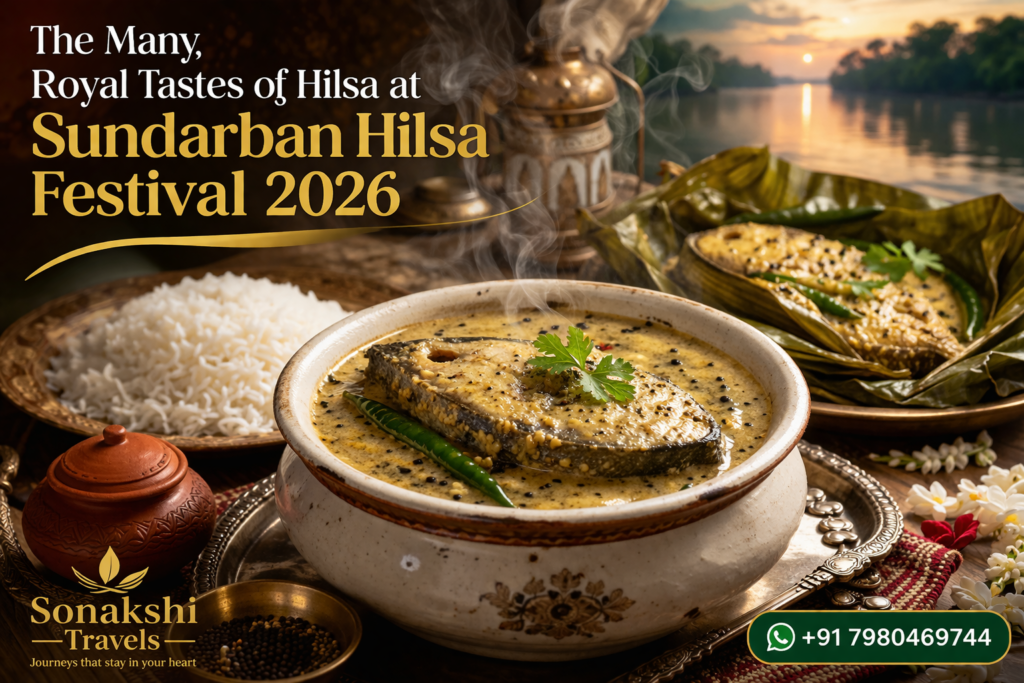
There are some food journeys that begin with hunger, and there are others that begin with memory. The story of the Sundarban Hilsa Festival 2026 belongs to the second kind. It is not only about eating a famous fish. It is about seeing how one beloved ingredient can carry the feeling of river life, the warmth of Bengali cooking, the pride of local tradition, and the joy of seasonal celebration. When hilsa appears on the table, it brings more than taste. It brings history, emotion, family memory, and the quiet richness of Bengal.
In the river world of the Sundarban, food is never separated from place. The smell of mustard, the softness of steamed rice, the shine of fresh fish, and the slow rhythm of a meal all feel more meaningful in a land shaped by water, tide, and monsoon memory. That is why the festival stands out. It presents hilsa cuisine not as one single dish, but as a full culinary experience. Each preparation shows a different side of the fish. One dish may feel rich and festive. Another may feel soft and comforting. Another may feel deeply traditional. Together, they create a complete picture of why hilsa holds such a special place in Bengali food culture.
This is what makes the festival so important for food lovers and travelers. It gives visitors a chance to understand how the same fish can be transformed through different methods, spices, textures, and cooking moods. A festive plate of rice with fragrant fish, a slow-cooked gravy, a steamed preparation wrapped in flavor, or a comforting monsoon pairing with kichuri all speak in different voices. Yet all of them remain connected by one core truth: ilish is not just eaten in Bengal. It is respected.
A Festival Where One Fish Tells Many Stories
The deeper beauty of the Hilsa Festival lies in variety. Most food events become popular by offering many unrelated dishes. This one becomes meaningful because it explores one great ingredient in many thoughtful ways. That gives the experience a clear identity. Visitors do not come only to eat. They come to compare, learn, remember, and feel the difference between one classic hilsa preparation and another.
Hilsa is a fish with a strong character. It has oil, aroma, softness, and a natural richness that can carry simple seasoning or deep spice. Because of this, Bengali cooking has never limited it to one formula. Instead, hilsa has entered many parts of the traditional table. It can be festive, homely, royal, soft, sharp, rich, or light, depending on the dish. This wide range is what the festival captures so well.
That is why a visitor may be drawn first to the leaf-wrapped elegance of ilish paturi at Sundarban Hilsa Festival 2026, then become curious about other forms that shape the same fish into very different meal experiences. This movement from one preparation to another is not random. It follows the emotional map of Bengali food itself. Some dishes are linked with celebration. Some are linked with rain. Some are linked with family lunch. Some feel like a gift meant for honored guests. Each of these feelings matters in the overall journey.
For SEO and content meaning, this creates a strong thematic cluster around Bengali hilsa dishes, Sundarban food tourism, and festival dining experiences. But beyond search value, it builds something more important. It tells readers that the festival is not just a place to taste fish. It is a place to understand why one fish can stand at the center of an entire cultural celebration.
The Royal Side of Hilsa: Richness, Pride, and Festive Dining
Some hilsa dishes immediately create a feeling of grandeur. They feel complete, rich, and deeply satisfying. These are the dishes that often become the emotional center of a festive meal. They are not heavy for the sake of being heavy. Their richness comes from balance, aroma, and the careful joining of fish with rice, yogurt, spice, or slow cooking.
One of the strongest examples is ilish polao. When hilsa meets fragrant rice, the meal becomes more than a simple fish serving. It becomes a full dining statement. Rice absorbs aroma, fish adds richness, and the whole plate begins to feel ceremonial. That sense of abundance is beautifully captured in the idea of authentic ilish polao at Sundarban Hilsa Festival 2026. It speaks to travelers who want a meal that feels special from the first look to the last bite.
Another royal expression appears in doi ilish. Here, yogurt gives softness and depth. The gravy often feels smooth, calm, and refined. It does not fight the fish. It supports it. This kind of preparation shows a mature food culture. It trusts gentle flavor instead of loud force. The idea becomes especially appealing in a festival setting where many visitors want to taste classic Bengali elegance through dishes like doi ilish at Sundarban Hilsa Festival 2026.
Then comes ilish bhuna, which offers another kind of richness. This is not the same softness of yogurt or the festive body of polao. Bhuna brings a more intense cooking mood. It suggests patience, spice depth, and a stronger finish. For many food lovers, this creates a sense of fullness and bold satisfaction. In content terms, the royalty of Bengal through ilish bhuna becomes an ideal anchor for the idea that hilsa can be both traditional and powerful.
These dishes together create one important message. Hilsa is not valuable only because it is famous. It is valuable because it adapts to different kinds of fine cooking without losing its own identity. That is the real sign of a great ingredient.
The Comfort Side of Hilsa: Warmth, Memory, and Seasonal Emotion
Not every great dish must feel royal. Some of the deepest food memories come from comfort. They come from meals that feel close to daily life, monsoon afternoons, family kitchens, and old habits of care. In Bengali food culture, hilsa also belongs to this softer and more intimate world.
Ilish kichuri is one of the clearest examples. Kichuri already carries emotional weight in Bengal. It is tied to rain, home, simplicity, and warmth. When hilsa joins it, the result is deeply comforting but still special. It does not need luxury language to feel important. Its power comes from emotional truth. That is why the idea of authentic ilish kichuri at Sundarban Hilsa Festival 2026 has such strong appeal. It reaches readers who understand that the best festival foods are not always the most decorated ones. Sometimes they are the ones that feel most familiar.
This comfort-based appeal also strengthens the festival narrative. It tells visitors that the event is not designed only for those seeking premium dining. It also speaks to those looking for emotional connection through food. That matters in travel writing because modern food tourism is not only about taste. It is about meaning. Travelers want to feel that what they eat belongs naturally to the place they visit. Ilish kichuri gives that feeling very well.
Even within this comfort mood, there is room for depth and care. The rice must feel right. The fish must retain its softness. The spices must support the dish without making it too sharp. This balance between warmth and dignity is part of what gives the festival its strong identity. It respects the emotional side of Bengali cuisine instead of turning every dish into a marketing show.
The Sacred and Subtle Side: Steam, Leaf, Aroma, and Pure Flavor
Some hilsa preparations feel special because they are rich. Others feel special because they are careful. They protect the fish instead of hiding it. These are the dishes where method matters as much as ingredient. Steam, wrapping, mustard, and soft heat become the tools through which the fish is allowed to speak clearly.
Ilish vapa stands in this refined category. It often feels gentle, deep, and almost devotional in mood. The fish is not overworked. The cooking method respects its natural oil and delicate body. The result is a dish that can feel pure, focused, and deeply Bengali. That sense is clearly present in the promise of the divine taste of ilish vapa at Sundarban Hilsa Festival 2026. The phrase works because vapa often feels less like display and more like essence.
At the same time, ilish paturi brings another quiet beauty. Wrapped and cooked in a way that locks flavor inside, it creates anticipation even before the first bite. The covering itself becomes part of the experience. Aroma rises slowly. Mustard, oil, and fish come together in a controlled and beautiful form. In many Bengali homes, paturi carries a festive yet intimate character. It feels crafted. It feels personal. It feels like something prepared with care rather than speed.
These dishes are important because they show restraint. In food storytelling, restraint is often the true mark of confidence. A culture that knows how to steam or wrap hilsa well does not need to prove its greatness through excess. It proves it through control, respect, and purity of taste. This is also why such preparations often hold strong value in authentic Bengali food experiences. They teach visitors that great cooking can be quiet.
Why This Culinary Range Matters for Food Tourism in Sundarban
A food festival becomes stronger when its dishes help explain the place around them. In this case, the many forms of hilsa do exactly that. They reflect river life, seasonal eating, Bengali household wisdom, festive hospitality, and the emotional bond between land and table. This makes the event more than a menu. It becomes part of Sundarban travel culture.
The Sundarban is often imagined first through forest, river, wildlife, and boat journeys. Those are important parts of the region’s identity. But food adds a second layer. It gives travelers a way to understand the human side of the landscape. When visitors eat different hilsa dishes in one festival space, they do not only see culinary variety. They see how local culture values seasonality, preparation style, and emotional meaning in food.
This matters greatly for content strategy. A strong article around the festival should not treat dishes as isolated recipes. It should present them as connected expressions of one living food tradition. That is where the real topical authority comes from. Instead of scattered food references, the article builds a semantic field around hilsa festival food, Bengali culinary heritage, Sundarban cuisine, and seasonal travel experiences in Bengal. Such content serves both readers and search engines because it offers depth, structure, and clear thematic focus.
It also helps the traveler plan expectation. Someone who loves bold spice may be drawn to bhuna. Someone who loves comfort may choose kichuri. Someone who values subtle cooking may look for vapa or paturi. Someone wanting a festive full meal may be excited by polao or doi ilish. This range widens the festival’s appeal without weakening its identity. Everything remains centered around one fish, one region, and one culinary tradition.
The Lasting Meaning of Hilsa at a Festival Like This
At the deepest level, the beauty of the festival lies in respect. It respects ingredient, place, season, memory, and cooking knowledge. That is why the event has the power to stay in the mind long after the meal is over. People may arrive because they love hilsa. They may leave with a richer understanding of Bengali food itself.
What makes this journey complete is not simply the number of dishes served. It is the way each dish opens a different door into the same tradition. One door leads to royal dining. One leads to monsoon comfort. One leads to refined steaming and soft flavor. One leads to bold and slow-cooked richness. Together, they create a festival experience that feels layered, honest, and culturally full.
For anyone interested in food travel in Bengal, this kind of event offers real value. It shows that a regional festival can be both simple and profound at the same time. A plate of hilsa can carry the feeling of celebration, but it can also carry the silence of memory, the closeness of family, and the pride of heritage. That is the lasting power of this culinary tradition.
In the end, the true charm of the Sundarban Hilsa Festival 2026 does not rest in one single favorite dish. It rests in the full journey from one preparation to another. Through paturi, polao, vapa, kichuri, doi ilish, and bhuna, visitors can taste not only a fish, but a complete world of Bengali feeling. That is what turns a food event into an unforgettable cultural experience. And that is why this festival stands as a rich meeting point of travel, taste, tradition, and story.