Updated: March 28, 2026
Is Sundarban Safe for Tourists?
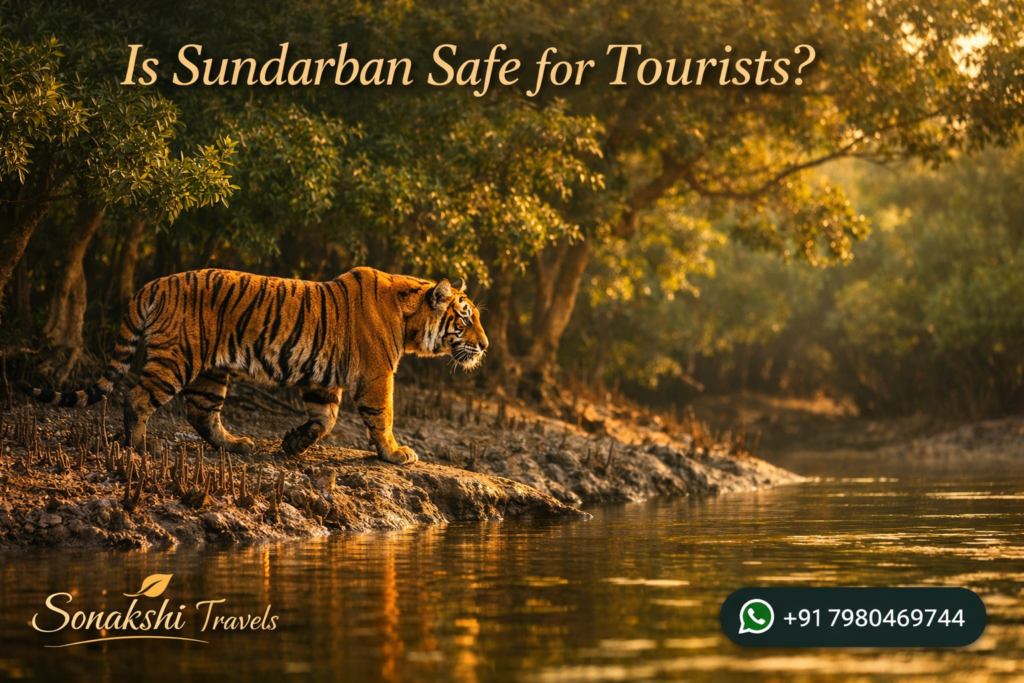
The question is simple, but the answer needs care. Yes, the Sundarban can be safe for tourists when the journey is arranged with responsibility, local knowledge, and proper rules. It is not a place where safety should be judged by fear, rumor, or dramatic stories. It is also not a place where a visitor should become careless because the landscape looks calm. The Sundarban is a living tidal forest. Water moves, mud shifts, and the forest follows its own rhythm. Because of that, safety here depends less on luck and more on behavior, planning, discipline, and the quality of the operator managing the journey.
Many people imagine danger in only one form. They think of wild animals and stop there. But tourist safety in the Sundarban is broader than that. It includes boat management, licensed guidance, clear movement rules, secure accommodation, food hygiene, emergency readiness, and respect for forest law. A well-managed Sundarban tour does not treat these things as extra details. It treats them as the base of the entire travel experience. That is why two journeys through the same landscape can feel very different. One can feel calm, protected, and orderly. Another can feel uncertain because basic systems were ignored.
Safety in the Sundarban Begins with Understanding the Place Correctly
The Sundarban is not an amusement zone. It is a sensitive mangrove ecosystem where land and water are never fully separate. This is the first fact a tourist must understand. Safety improves when visitors accept that they are entering a protected natural region with limits. In many travel destinations, the visitor controls the pace. In the Sundarban, the environment controls the pace. Boats move according to channels, tides, permissions, and navigational judgment. People must listen to guides, remain inside approved areas, and avoid restless behavior.
This understanding changes the whole mood of the journey. A person who comes only for thrill may feel uneasy. A person who comes with patience usually feels much safer. That is because the forest rewards restraint. It is a place where safety comes from quiet order. Visitors are safer when they do not lean too far over boat edges, do not make sudden noise, do not ignore staff advice, and do not treat the region as a casual picnic ground.
In this sense, the Sundarban is safe for tourists not because it is harmless, but because the tourism structure is built around controlled exposure. Tourists do not move freely into random forest interiors. They travel within regulated systems, usually under trained local supervision. That difference is important. The travel model itself is designed to reduce risk.
The Biggest Safety Factor Is the Quality of the Tour Operator
When people ask whether the Sundarban is safe, the better question is often this: who is conducting the trip? A responsible operator can lower many risks before the tourist even reaches the river. A poor operator can create danger through carelessness. This is why safety is closely linked with professionalism.
A reliable operator usually arranges proper permits, registered boats, trained crew, knowledgeable forest guides, and clear guest instructions. Good teams know how to maintain timing, how to read local movement conditions, and how to keep passengers calm and informed. They also know what tourists should never do. In the Sundarban, this kind of management matters more than decorative comfort.
A properly arranged Sundarban tour package often becomes safer because the journey is structured from the beginning. There is less confusion, fewer last-minute changes, and better control over food, lodging, transfers, and river movement. Disorder creates risk. Structure reduces it. That is why organized travel is usually safer here than unplanned movement.
For some travelers, especially families, older guests, or first-time visitors, a Sundarban private tour can feel safer because the group is smaller, instructions are easier to follow, and the crew can give more direct attention to each passenger. The point is not luxury. The point is control. When the group is limited, communication becomes clearer, movement becomes smoother, and guest needs are easier to monitor.
Wildlife Fear Is Real, but Tourist Exposure Is Controlled
Much fear about the Sundarban comes from its wildlife image. This fear is understandable because the forest is famous for powerful wild animals. But tourist safety should not be judged by imagination alone. Tourists generally move through designated tourism systems, mainly by boat and through approved zones under guidance. They are not sent into unrestricted forest spaces on foot. This difference sharply reduces danger.
Wild animals in the Sundarban are not stage actors waiting for tourists. They move by instinct, habitat pattern, and natural need. In regulated tourism, visitors are usually observers at a controlled distance, not participants inside animal territory. That does not mean zero risk. No real forest offers zero risk. But it means the structure of tourism is based on separation, supervision, and caution.
The calmest tourists are often those who accept one truth: the Sundarban is safest when the visitor does not try to dominate the experience. Loud behavior, reckless photography attempts, leaning out for a better view, or refusing staff instruction can turn a safe journey into an unsafe one. On the other hand, a quiet and disciplined Sundarban private wildlife safari under expert supervision is generally managed with strong attention to risk control.
Boat Safety Is More Important Than Most People First Realize
For tourists, the boat is not just transport. It is the main safety space. Much of the journey takes place on water, so the boat must be treated as a moving safety system. Good boat safety includes stable structure, trained crew, proper boarding support, clean deck movement, safe seating arrangement, and easy access to life jackets. It also includes disciplined passenger behavior.
The Sundarban does not reward carelessness on water. A tourist should not assume that a peaceful river surface means simple conditions. Tidal landscapes change depth, edge, and current character in subtle ways. Local crew understand these changes better than the average visitor. That is why passengers should never act independently around docking points, slippery edges, or narrow movement areas.
Many safe journeys feel ordinary only because the crew is doing its work well. They know how to anchor, when to slow, when to guide passengers carefully, and how to maintain order without panic. This quiet competence is often invisible, yet it is one of the strongest reasons why a serious Sundarban luxury tour or a professionally arranged group trip feels secure.
Human Behavior Shapes Safety More Than Fear Does
Tourists often ask whether the place itself is safe, but behavior inside the place matters just as much. A disciplined visitor is easier to protect than a careless one. In the Sundarban, safety is a shared task between operator and traveler. Staff can guide, warn, arrange, and prepare. The visitor must cooperate.
Simple behavior has great value here. Listening carefully. Staying with the group. Avoiding needless risk. Respecting restricted movement. Not trying to impress others with bold actions. These small things may sound ordinary, but in a sensitive ecosystem they make a major difference. The safest tourists are often not the strongest or most experienced. They are the most attentive.
Children and elderly guests can also travel safely when the trip is supervised properly. The key is not false confidence. The key is attentive handling. Families often feel more secure when they choose a controlled format such as a Sundarban family private tour, because staff can focus more carefully on pace, comfort, and movement discipline. Smaller groups usually make safety instructions easier to maintain.
Accommodation Safety Is Part of the Overall Question
Tourist safety does not end when the boat stops. It continues at the place of stay. Clean rooms, secure surroundings, responsible staff, hygienic food handling, proper lighting, and orderly guest support all contribute to peace of mind. A weak accommodation setup can create anxiety even if the forest journey itself was well managed.
This is why people sometimes feel safer on a well-designed Sundarban luxury tour package. Better accommodation systems often come with stronger staff presence, better maintenance, clearer guest support, and a more controlled environment. Again, this is not only about comfort. It is about reducing uncertainty. When a tourist feels that the team is organized, the sense of safety becomes stronger.
Food and drinking water also matter. Safety in travel includes health security. Clean cooking, proper storage, and safe water arrangements reduce common travel problems. A responsible operator understands that a tourist can feel unsafe not only because of the forest, but also because of poor hygiene or confusion in service management.
Psychological Safety Matters in a Landscape of Silence
The Sundarban creates a special kind of mental feeling. It is quiet, wide, and serious. For some tourists, this silence feels beautiful. For others, it creates unease. Safety is not only physical. It is also psychological. A good guide helps visitors read the landscape correctly. Instead of letting silence become fear, they explain what is normal, what is controlled, and why certain rules exist.
Much anxiety disappears when information becomes clear. Tourists feel safer when they understand why they must remain seated in a certain way, why movement is restricted in some areas, why noise should stay low, and why local instruction must be followed quickly. Fear grows in confusion. Calm grows in understanding.
This is one reason guided travel remains important. A structured Sundarban travel guide approach does more than provide information. It creates emotional steadiness. It tells the tourist that the journey is being watched, interpreted, and managed by people who belong to the rhythm of the place. That knowledge itself is a form of safety.
Is the Sundarban Safe for Women, Families, and First-Time Visitors?
In a properly organized setting, yes, the Sundarban can be safe for women, families, and first-time visitors. The most important condition is not bravery. It is choosing the right travel structure. People who are new to the region should not depend on guesswork. They should choose known operators, clear supervision, and properly managed accommodation and boat services.
Families often ask whether children can handle the environment. In many cases, they can, provided adults keep them supervised and the operator is experienced. The Sundarban is not a place for free-running behavior or careless wandering. But within a controlled journey, families can travel with confidence.
Women traveling with family, friends, or organized groups usually look for a sense of order, respect, and responsiveness. Good operators understand this. Staff conduct, room safety, food quality, and communication all matter. A carefully managed Sundarban private tour package or a reputable shared arrangement can provide that reassurance when handled responsibly.
Research-Based View: Real Safety Comes from Systems, Not Slogans
From a research point of view, safety in protected natural tourism areas usually depends on layered systems. These include regulation, local knowledge, guided movement, controlled visitor access, and emergency awareness. The Sundarban follows this logic. It is safer when tourism remains inside a rule-bound structure. It becomes unsafe when someone tries to act outside that structure.
This means tourists should be careful about one common mistake: choosing only by low price, fast promise, or decorative advertisement. Safety cannot be measured by a catchy line. It must be judged by management quality. Does the operator communicate clearly? Are staff trained? Is movement disciplined? Are guests supervised? Is the experience orderly from start to finish? These questions matter more than sales language.
A serious Sundarban travel package should show responsibility in visible ways. Good management is often simple, not dramatic. Clear boarding support. Calm instructions. Hygienic service. Respect for permits. No reckless shortcuts. No false heroism. When these things are present, the tourist usually feels the difference immediately.
So, Is Sundarban Safe for Tourists?
Yes, the Sundarban is safe for tourists when visited through responsible, licensed, and properly supervised tourism arrangements. It is not a lawless wilderness trip for casual risk-taking. It is a regulated travel experience inside a powerful natural environment. That difference must be understood clearly.
The real answer is therefore balanced. The Sundarban is not unsafe by nature, and it is not safe by accident. It becomes safe through good systems. Safe boats, trained crew, proper guidance, controlled access, hygienic management, and disciplined visitor behavior together create security. When these parts work well, tourists can experience the silence, mystery, and beauty of the mangrove world without unnecessary fear.
In the end, safety in the Sundarban is not built on denial. It is built on respect. Respect for the forest. Respect for water. Respect for rules. Respect for local knowledge. A tourist who enters with that attitude usually finds that the journey feels not only safe, but deeply steady. The landscape may remain wild, but the experience can still be calm, protected, and well held. That is the real meaning of safety in the Sundarban.