What Is a Tour Package Costing?
— A Detailed, Guide to Understanding Travel Pricing in Today’s Tourism Landscape
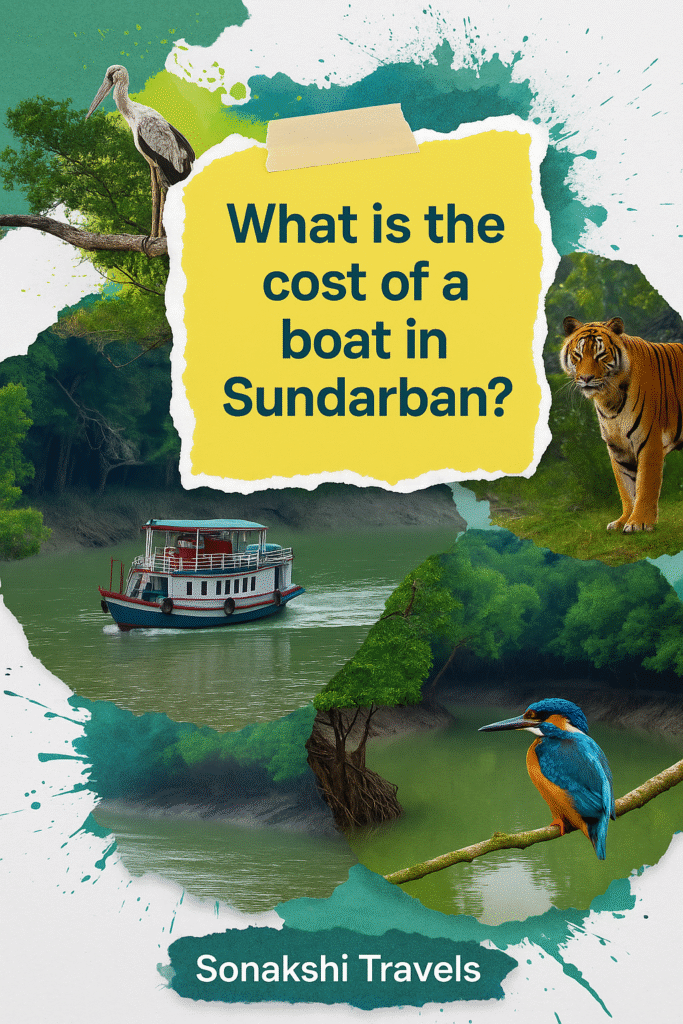
When a traveller asks, “What is a tour package costing?”, the question often carries more meaning than a mere request for numbers. A tour package is not a single entity; it is a carefully assembled structure combining accommodation, food, transportation, local logistics, expert guidance, entry permissions, and destination-specific experiences. Its cost reflects far more than the sum of its parts. Every destination has its own rhythm, its own complexity, and its own operational realities—and nowhere is this more evident than in ecologically sensitive regions such as the Sundarban, where the pricing of a Sundarban Tour must align with conservation rules, safety guidelines, tidal behaviour, and community-based tourism practices.
Understanding tour package costing requires an exploration of how travel is structured, how resources are allocated, how logistics are managed, and how meaningful experiences are crafted. This article unfolds each dimension with clarity, enabling travellers to understand not just “how much” a tour package costs, but “why” it costs what it does.
What Exactly Is a Tour Package?
A tour package is a pre-designed travel plan that integrates all essential components of the journey—transport, accommodation, meals, sightseeing, permits, guidance, and experience-based activities—into one harmonized offering. The purpose is to eliminate the traveller’s logistical burden while ensuring safety, continuity, comfort, and a well-paced itinerary. Packages differ widely by region, duration, group structure, and accommodation class.
In destinations such as the Sundarban, where waterways, tides, wildlife regulations, forest permissions, and boat navigation dominate the travel format, choosing a structured Sundarban Travel package becomes essential to ensuring a seamless experience.
How Tour Package Pricing Is Determined
Tour package costing follows a multi-layered structure shaped by both fixed and variable factors. While travellers often expect a straightforward rate card, professional operators must evaluate elements such as seasonality, transportation cost, guide expertise, accommodation availability, and even tidal timing (in delta regions). A well-designed package integrates operational sustainability with traveller comfort.
1. Duration of the Tour
The most direct determinant of pricing is duration. Longer tours naturally incorporate additional meals, more accommodation nights, extra guide hours, and extended resource allocation. A 1-day itinerary may require only local logistics, whereas a 2-night, 3-day itinerary demands continuous staffing, meal planning, navigation scheduling, and forest entry coordination.
2. Accommodation Category
Accommodation shapes pricing more significantly than any other component. A standard property offers essential comfort, whereas premium or boutique stays add elevated aesthetics, curated food menus, landscaped surroundings, and personalized service. Resorts in remote or ecologically sensitive locations maintain higher operational costs, which influence package pricing.
3. Transportation & Fuel Cost
Transport includes car transfers, boat movement (for river-based destinations), and intra-destination mobility. In the Sundarban, boat selection dramatically affects the cost of a Sundarban Tour Package. Fuel consumption depends on route distance, tide pattern, boat size, passenger capacity, and speed. Larger or AC-equipped vessels require more fuel and crew management.
4. Meal Plan & Hospitality
Whether a package includes breakfast alone, or full meals—breakfast, lunch, evening snacks, and dinner—creates a major cost variation. In remote delta regions, fresh ingredients must be transported daily, and staffing costs rise accordingly. Packages offering premium cuisine, seafood menus, or organic produce maintain a higher price bracket.
5. Guide Expertise & Professional Staffing
Expert guides are invaluable for interpreting wildlife, culture, and ecological behaviour. Their training, certification, and local knowledge elevate the experience, especially in forested or heritage regions. Professional staffing includes boat crew, cooks, drivers, coordinators, and hospitality workers—each contributing to operational excellence.
6. Permits, Entry Fees, & Conservational Taxes
Certain destinations require forest permissions, boating passes, eco-tourism fees, or heritage site entry charges. These mandatory regulatory costs are included transparently in a professional package. Their purpose is ecological preservation and controlled visitor movement, supporting the environment through revenue.
7. Seasonality and Demand Patterns
Tour package costing fluctuates with peak season (typically October to March for many destinations), festival calendars, school holidays, and weather patterns. High demand raises accommodation and transport costs, whereas monsoon or off-season periods offer more moderate rates. Sundarban tourism patterns also depend on visibility, wildlife activity, and navigational safety.
Types of Tour Packages and Their Costing Structure
Tour packages typically fall into several structured categories, enabling travellers to choose based on comfort level, group size, and experience depth.
1. Standard Packages
These packages offer essential comfort, basic accommodation, standard transportation, and fixed itineraries. They prioritise affordability while maintaining safety and continuity.
2. Deluxe Packages
Deluxe packages include upgraded stays, better meal menus, improved transport, and more refined planning. They balance cost and elevated experience quality, making them popular among families.
3. Premium Packages
Premium packages offer boutique accommodations, curated meals, personalised attention, and smoother transit options. They cater to travellers who value ambience, relaxation, and richer cultural engagement.
4. Custom or Private Tours
A Sundarban Private Tour or similarly tailored package allows travellers to customize the itinerary, boat type, timing, stay category, and activities. These bespoke experiences typically involve higher pricing due to personalised logistics.
What Makes a Tour Package “Worth the Cost”?
The value of a tour package lies in the integration of convenience, safety, expertise, and meaningful experience creation. Consider the following elements when evaluating cost:
• Efficient scheduling and time management
• Smooth inter-city transfers
• Authentic local engagement
• Wildlife or heritage interpretation
• Reliable safety infrastructure
• Comfort during travel and stay
In remote ecosystems like the Sundarban, where tidal patterns control movement, knowledgeable guidance significantly elevates the depth of experience.
Why Prices Differ Across Operators
Travellers often notice variations in pricing for seemingly similar packages offered by different operators. This difference arises due to:
• Quality of accommodation
• Type and size of boat or transport involved
• Staff-to-traveller ratio
• Authenticity of meals
• Safety compliance level
• Guide expertise
• Inclusions and exclusions
Responsible operators invest in safety certification, ethical tourism, and community partnerships, which may increase the cost but significantly improve the traveller’s experience.
How to Compare Tour Package Costs Effectively
Comparing packages requires looking beyond just price. Consider these essential criteria:
Accommodation Quality
Ensure transparency in room type—standard, deluxe, or premium.
Transportation Specifics
Verify the boat category, car model, seating comfort, and safety features.
Meal Plan
Confirm whether meals are buffet-style, home-cooked, or à la carte.
Guide & Crew Support
A trained guide enhances wildlife viewing, cultural interpretation, and route navigation.
Hidden Costs
Opt only for operators that provide a clear, itemised costing structure.
Example: How Tour Package Costing Works in the Sundarban
The Sundarban offers a unique model for understanding package pricing due to its boat-centric travel and ecological restrictions. A typical Sundarban Tour package cost includes:
• Boat charges based on size and category
• Car transfer from Kolkata or Canning
• Resort stay in forest-adjacent islands
• All meals during the tour
• Entry passes, guide fees, and camera permissions
• Navigation and anchoring charges
This integrated pricing demonstrates how a seemingly simple tour actually depends on dozens of coordinated services.
How Can Travellers Ensure They Receive Fair Pricing?
• Request a detailed, itemised breakdown
• Compare inclusions rather than price alone
• Understand what amenities are truly necessary
• Avoid ultra-low-cost operators lacking safety measures
• Check online reviews and traveller feedback
Why Tour Package Costing Also Supports the Destination
In regions with fragile ecosystems, such as the Sundarban, tourism revenue supports:
• Forest conservation
• Community employment
• Local cultural preservation
• Sustainable infrastructure
• Wildlife protection efforts
Resources like Wikipedia highlight the ecological importance of well-managed tourism in the mangrove delta.
Conclusion: Tour Package Costing Is a Window Into the Journey’s True Value
Understanding what a tour package costs is essential for designing a comfortable, meaningful travel experience. Cost reflects expertise, infrastructure, safety, navigation, destination rules, accommodation quality, and the intricate coordination of multiple professionals. Whether one chooses a standard group plan or a personalised Sundarban Tour Package, the purpose of pricing is to create a seamless journey rather than an isolated list of services.
Travellers who evaluate the structure behind the cost gain not only transparency but also a deeper appreciation of the destination. And in regions shaped by tides and traditions, such as the Sundarban, choosing a responsible, well-curated Sundarban Travel experience ensures that every moment of the journey becomes purposeful, immersive, and unforgettable.