Sundarban Tour for Families: What You Should Know
A journey into the Sundarban is not like visiting a crowded hill station or a city amusement park. It is a slow entry into a living forest shaped by tides, rivers, and silence. When families consider a Sundarban tour, the first question usually is simple: is it suitable for children and elders? The answer depends on preparation, understanding, and the right planning. A well-designed Sundarban tour for families can become one of the most meaningful shared experiences—educational, peaceful, and surprisingly comfortable.
Unlike rushed vacations, this delta rewards patience. You travel by boat through winding creeks, watch birds lift from mangrove branches, and listen to stories of forest life from local guides. For families who value time together away from screens and noise, the Sundarban offers something rare: uninterrupted connection.
Understanding the Nature of a Sundarban Tour
The Sundarban is the world’s largest mangrove forest, located in West Bengal and stretching into Bangladesh. It is also home to the famous Royal Bengal Tiger. However, a Sundarban tour is not only about wildlife sightings. It is about observing how land and water move together, how villages adapt to tides, and how life survives in a fragile ecosystem.
For families, it is important to understand that this is a regulated forest zone. Entry permits, licensed boats, and trained guides are mandatory. That structure actually benefits families. It ensures safety, controlled navigation, and organized movement through approved routes. Children are not wandering through jungle paths; they are exploring from secure vessels and watchtowers.
Is a Sundarban Tour Safe for Children and Elders?
Safety is often the primary concern. In reality, a properly organized Sundarban tour for families is carefully managed. Boats are licensed and equipped with life jackets. Forest guides are assigned during core jungle visits. Watchtowers are fenced and monitored.
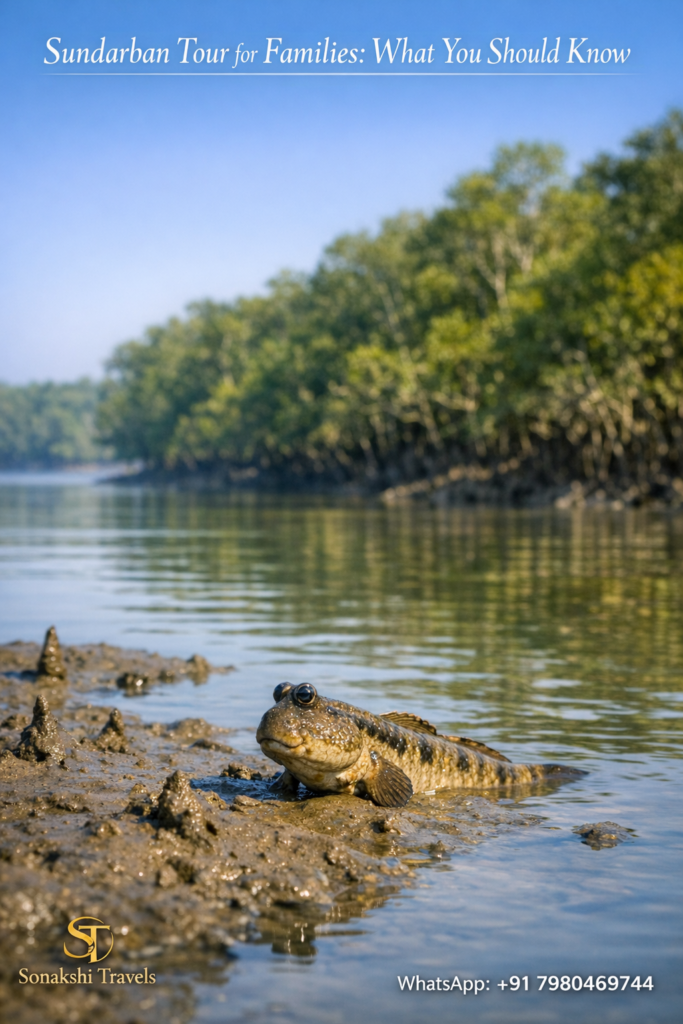
For young children, the boat ride itself becomes an adventure. They observe mudskippers, deer near the riverbank, and colorful kingfishers. Since movement is controlled and slow, there is no rush or physical strain. Elders, especially those who enjoy calm environments, often find the rhythmic boat journey relaxing.
The key lies in choosing a reliable operator who understands family needs—comfortable seating, clean washrooms, balanced meal options, and patient scheduling. When these elements are arranged properly, the trip becomes smooth rather than tiring.
Best Duration for a Family Sundarban Tour
Families usually benefit most from a 2 Nights / 3 Days itinerary. A single-day visit may feel rushed, especially with children who need rest breaks. With two nights, there is enough time to explore multiple watchtowers, visit local villages, and enjoy evening cultural programs without fatigue.
A structured itinerary typically includes:
Arrival and boat embarkation
Full-day forest cruise with watchtower visits
Village walk and interaction with locals
Return journey with relaxed pacing
This balanced structure allows children to remain engaged without overwhelming them.
What Families Should Pack for the Sundarban
Packing wisely makes a major difference. The climate is humid, and sunlight can be strong even in winter. Light cotton clothes, hats, sunglasses, and sunscreen are essential. Comfortable sandals or closed shoes are better for short walks near watchtowers.
Parents traveling with younger children should carry personal medicines, mosquito repellent, and small snacks. While meals are generally provided during the Sundarban tour, having familiar snacks helps manage children’s moods between activities.
Avoid overpacking. Space on boats and in eco-resorts is practical but not excessive. Keeping luggage simple ensures easier movement.
Educational Value of a Sundarban Tour for Families
One of the greatest advantages of a Sundarban tour for families is its educational depth. Children witness geography, ecology, and environmental science in real life. They learn how mangrove roots protect coastlines, how tides shape river channels, and how wildlife adapts to saline water.
Instead of reading about climate change in textbooks, they see rising water levels and embankment systems. They understand resilience not through theory, but through observation of village communities.
Many parents later realize that this quiet forest journey sparked curiosity more effectively than classroom lessons.
Accommodation Choices for Family Comfort
Family comfort depends largely on accommodation selection. Options range from standard eco-lodges to premium resorts. Rooms are usually air-conditioned or well-ventilated, with attached bathrooms.
Families with toddlers may prefer ground-floor rooms for easier access. Those traveling with grandparents may request properties with minimal stair usage. Reliable tour planners often coordinate such details in advance.
Meals typically include fresh local cuisine—rice, vegetables, fish preparations, and mild curries. For children, simpler dishes can be arranged on request. Clear communication before arrival ensures smooth service.
Managing Expectations: Wildlife Sightings
A common misunderstanding about a Sundarban tour is expecting guaranteed tiger sightings. The forest is vast, and wildlife moves freely. Sightings are possible but never promised.
Families should approach the trip with curiosity rather than expectation. Deer, crocodiles, monitor lizards, and many bird species are commonly observed. The thrill lies in scanning riverbanks quietly, not in chasing animals.
When parents explain this to children beforehand, the journey becomes about discovery rather than disappointment.
A Short Story from a Family Journey
On one winter morning, a family of four stood quietly on a watchtower overlooking a narrow creek. The younger child held binoculars almost too large for her face. She whispered that she saw something move near the mangroves. It was not a tiger. It was a spotted deer stepping carefully toward the water.
The excitement in her voice was genuine. She had waited patiently, watched silently, and noticed life unfolding without noise. Later that evening, during dinner, she drew the deer in her notebook. That drawing stayed on her school project board for months.
That is what a Sundarban tour for families often creates—small moments that remain long after the trip ends.
When Is the Best Time for a Family Visit?
The ideal months are from October to March. The weather remains cooler, humidity is lower, and boat travel is comfortable. Summer months can be warm, which may be challenging for very young children or elders.
Winter mornings bring gentle fog over the rivers, adding a magical atmosphere. For families seeking calm weather and better outdoor comfort, winter scheduling works best.
A Poem for Families Who Travel Together
Where rivers fold into roots of green,
Where tides whisper what time has seen,
A boat moves slow through silver light,
Carrying laughter soft and bright.
Small hands point to distant wings,
Grandparents speak of older things,
No traffic sound, no hurried call,
Just water touching forest wall.
In that quiet shared between,
A family finds what calm can mean.
Practical Planning Tips Before Booking
Confirm that the package includes forest permits, guide charges, meals, and boat safety arrangements. Ask about child-friendly meal options and room configuration. Check travel time from Kolkata to the embarkation point, as early departures are common.
Keep communication clear regarding pickup and drop facilities. Families traveling with elders may prefer private transfers for greater comfort. Understanding these practical aspects avoids confusion during the trip.
A Sundarban tour works best when it is structured yet flexible—allowing rest time while maintaining core experiences.
Why a Sundarban Tour Strengthens Family Bonds
Modern routines often scatter family attention. Phones vibrate. Schedules overlap. Conversations shorten. In the Sundarban, network signals weaken and natural rhythms take over. Boat rides encourage conversation. Evenings without loud entertainment invite storytelling.
Children ask questions about mangroves. Parents share childhood memories of river journeys. Elders describe how Bengal’s rivers shaped culture. These exchanges grow naturally, without effort.
A Sundarban tour for families is not about luxury in the conventional sense. It is about shared time, simple food, open skies, and the feeling of moving together through quiet water.
Final Thoughts Before You Plan
Choosing a Sundarban tour means choosing a slower rhythm. It asks families to observe rather than rush, to listen rather than shout. When planned with care—considering safety, accommodation, season, and comfort—it becomes deeply rewarding.
For families seeking more than photographs, this journey offers perspective. Children return with stories. Parents return with calm. Grandparents return with renewed memories of river landscapes.
In the meeting of tide and forest, families often rediscover something simple yet powerful—the joy of experiencing nature together.