Sundarban Tour Reveals Why the Delta Is Globally Important
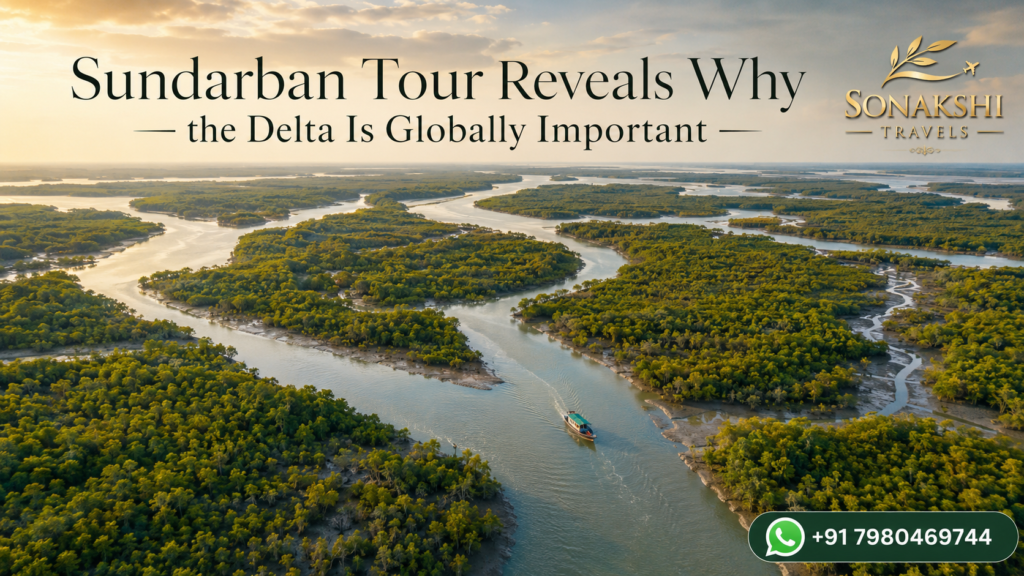
A well-planned Sundarban tour is more than a short holiday through rivers and forests. It is an opportunity to understand one of the world’s most unusual delta environments, where land, freshwater, seawater, tides, wildlife and human settlements are closely connected. The region cannot be understood properly by looking at only one river, one forest area or one animal. Its global importance comes from the way the entire natural system works together.
The Sundarban is part of the great Ganga-Brahmaputra-Meghna delta. Its landscape is shaped by tidal rivers, narrow creeks, mudflats, islands and mangrove forests. Water levels change regularly, river channels shift over time, and plants and animals survive under conditions that would be difficult for many other species. A carefully organised journey allows travellers to observe these features without treating the destination as an ordinary sightseeing place.
The article Sundarban Tour Is a Journey into India’s Unique Mangrove Zone explains how the journey introduces visitors to an environment that is very different from common forest destinations. This difference is central to the value of the experience. A visitor does not simply enter a fixed forest road and move from one attraction to another. The journey follows tidal waterways, and every part of the tour depends on the natural rhythm of the delta.
How a Sundarban Tour Explains the Importance of the Delta
The global importance of the Sundarban is best understood through its mangrove ecosystem. Mangroves grow in the difficult meeting zone between land and water. They tolerate salt, unstable mud, regular flooding and changing tidal conditions. Their roots help hold soft soil, reduce erosion in certain areas and provide shelter for fish, crabs, insects, birds and many other forms of life.
During a Sundarban tour, travellers can see that the forest is not separate from the rivers. Fallen leaves, tidal water, mud, roots and small aquatic organisms form a connected food system. Fish and crustaceans use mangrove areas for feeding and shelter. Birds depend on both water and forest edges. Larger animals depend on the wider habitat supported by these smaller life forms.
This ecological connection gives the delta importance far beyond tourism. Mangrove forests support biodiversity, contribute to coastal protection and store carbon in their plants and soil. The Sundarban also provides an important natural space for scientific study. Researchers examine how forests respond to salinity, tidal movement, erosion, sedimentation and environmental pressure. A responsible tour helps ordinary travellers understand these subjects in simple and visible ways.
A Landscape Built by Water and Sediment
The delta is not a fixed block of land. It has developed through the movement and deposition of sediment carried by major river systems. Tides continue to reshape riverbanks, mudflats and island edges. Some areas gain sediment, while others face erosion. This makes the Sundarban a living geographical system rather than a landscape that remains unchanged.
A boat journey makes this process easier to notice. Travellers may observe exposed muddy banks at one stage of the tide and water reaching close to mangrove roots at another. They may also see that river widths, currents and bank conditions vary greatly. Such observations reveal why local navigation requires practical knowledge and why a professional Sundarban tour operator must coordinate the route with care.
The importance of this moving landscape is often missed when the tour is treated only as a search for wildlife. Wildlife is certainly an important part of the Sundarban, but the complete value of the destination lies in the relationship between animals, mangroves, waterways and people. Understanding that relationship creates a more meaningful and realistic travel experience.
Why the Mangrove Forest Matters Beyond Wildlife Sightings
Many travellers connect the Sundarban mainly with the Royal Bengal Tiger. The tiger is an important symbol of the forest, but no responsible organiser should present a tiger sighting as a guaranteed part of the journey. The forest is large, visibility is naturally limited, and wild animals move according to their own behaviour. The value of the tour must therefore be explained through the entire ecosystem.
Visitors may observe spotted deer, wild boar, monkeys, crocodiles, water monitor lizards, mudskippers and different bird species, depending on natural conditions. Even when large animals remain unseen, signs such as footprints, calls, movement near the bank and feeding activity can help travellers understand how wildlife uses the habitat.
The mangrove forest also performs several ecological functions. Its complex root systems slow water movement near many banks and create sheltered spaces for young aquatic animals. Mangrove soil can hold a large amount of organic matter. The forest also forms a natural barrier that can reduce some of the direct force of wind and waves before they reach inhabited areas.
For this reason, a Sundarban travel experience should not be judged only by the number of animals photographed. It should be judged by how well the journey explains the landscape, how quietly the boat moves through sensitive areas, how responsibly waste is handled and how clearly the guide connects visible features with the wider importance of the delta.
The Value of Slow Observation
The Sundarban rewards patience. A fast journey may cover distance, but it may fail to reveal the details that make the delta important. Slow observation allows visitors to notice breathing roots rising from the mud, changing water lines on tree trunks, crabs moving across exposed banks and birds waiting near shallow water.
The article Sundarban Tour Is the Best Way to See Mangroves Closely supports this approach by showing why boat-based observation offers a close view of the forest-water boundary. This boundary is where many ecological processes become visible. It is also where careful boat handling and respectful distance are especially important.
Quiet travel improves both learning and comfort. Loud music, shouting or unnecessary disturbance can reduce the quality of the experience and affect wildlife. A knowledgeable guide and boat team should encourage calm observation. This makes the journey suitable for serious nature lovers as well as families who want to introduce children to environmental responsibility.
Why Careful Planning Is Necessary in a River-Based Destination
The Sundarban is not organised like a city destination, a hill station or a forest with road safaris. The main movement takes place through rivers and creeks. Boat availability, permits, local coordination, food service, accommodation, safety arrangements and guide support must work together. A weakness in one part can affect the entire experience.
This is why travellers should examine the structure of a Sundarban tour package rather than choosing only on the basis of a low advertised amount. The package should clearly explain what type of boat service is arranged, how meals are managed, what kind of room is included, whether guide assistance is available and who will coordinate the journey if river conditions require a practical adjustment.
A reliable Sundarban travel agency should communicate the limitations of the region honestly. It should not promise specific wildlife sightings or describe every boat journey as an extreme adventure. It should instead explain the nature of the destination, the service arrangement and the responsibilities of both the organiser and the traveller.
Permit-sensitive travel also requires attention. Entry procedures and authorised movement in protected areas must follow official rules. A well-managed tour keeps the required information organised and avoids last-minute confusion. This administrative work may not be visible to the traveller, but it is an important part of a smooth and responsible experience.
How Boat, Food, Stay and Guide Services Shape the Experience
The quality of a Sundarban journey depends on service coordination. The boat is not merely a vehicle. It is the main viewing platform for much of the tour. Seating, shade, cleanliness, basic safety equipment, crew experience and the ability to move at a suitable speed all affect comfort and observation.
Food service also needs special planning because travellers may spend several hours on the waterways. Meals should be prepared hygienically and served at sensible times without disturbing the main purpose of the journey. A clear food arrangement is particularly important for children, senior citizens and travellers with simple dietary requirements.
Accommodation should support rest after a long period on the river. The purpose of a comfortable stay is not to separate travellers from the natural experience. It is to help them recover, maintain hygiene and continue the journey without unnecessary tiredness. This is why some visitors select a Sundarban deluxe tour package or a Sundarban luxury tour package when they require a higher level of room comfort and personal service.
A guide adds meaning to what visitors see. Without interpretation, mangrove roots, muddy banks and changing channels may appear similar. A trained guide can explain plant adaptation, animal signs, river behaviour and local conservation concerns. The guide should use simple language and avoid making claims that cannot be supported.
Why Coordination Matters More Than Decoration
A tour may use attractive words such as premium, deluxe or luxury, but these labels have little value without coordination. True comfort in the Sundarban means timely service, a suitable boat, safe movement, clean facilities, dependable meals and clear communication. Decorative features alone cannot solve poor planning.
Travellers considering a Sundarban private tour package should therefore examine the operational details. Private travel can offer more control over group pace, seating and service timing. However, it still remains subject to protected-area rules, tidal realities and responsible wildlife behaviour.
The same principle applies to a Sundarban luxury tour. Luxury should mean better organisation and comfort, not louder entertainment, careless access or unrealistic promises. The natural environment must remain the central subject of the journey.
The Role of Local Knowledge in a Well-Managed Tour
Local knowledge is essential in the Sundarban because river conditions and service requirements are different from ordinary road travel. Experienced boat crews understand currents, bends, shallow areas and the practical behaviour of tidal waterways. Local coordinators know how long different service activities may take and how to keep several arrangements connected.
This knowledge also improves safety. Travellers should receive clear guidance about movement on the boat, safe seating, careful boarding and respect for restricted areas. Children should be supervised, and senior citizens may need additional assistance while stepping between a jetty and a boat.
A dependable organiser should also explain what travellers should realistically expect from the forest. Long periods of quiet observation are normal. Wildlife may appear briefly or remain hidden. River scenery may change slowly rather than dramatically. These conditions are not shortcomings; they are part of an authentic delta environment.
People searching for the best Sundarban tour should therefore look for knowledgeable management rather than exaggerated advertising. The strongest tour is one that helps travellers understand what they are seeing, maintains service discipline and respects the ecological limits of the destination.
Suitability for Families, Couples, Senior Citizens and Private Groups
A family Sundarban tour can be highly educational when it is planned according to the needs of different age groups. Children can learn how mangroves survive in salty and muddy conditions, why rivers are important to forest life and why wild animals must be observed without disturbance. Adults can use the journey to discuss conservation in a practical setting.
Senior citizens may enjoy the calm river experience when boarding support, seating comfort, meal timing and rest arrangements are properly managed. The organiser should know in advance about mobility concerns or simple health-related service needs. The purpose is not to create a medical environment but to avoid preventable discomfort.
Couples often prefer privacy and a quieter pace. A Sundarban private tour may be suitable when travellers want greater control over their immediate group environment. Privacy, however, must not be confused with unrestricted access. Protected-area rules remain the same for every visitor.
Private groups may also benefit from clearer coordination because food, seating and communication can be arranged around a known group size. This can create a more comfortable experience without changing the ecological character of the tour.
Responsible Tourism and the Protection of a Sensitive Delta
The Sundarban is environmentally sensitive. Tourism can support awareness and local livelihoods, but careless behaviour can create pressure. Plastic waste, food litter, loud sound and disturbance near wildlife areas reduce the quality of the destination. Responsible tourism requires cooperation between organisers, boat crews, guides and visitors.
Travellers should avoid throwing any material into rivers or leaving waste near forest edges. Boats should follow authorised routes and respect speed or access restrictions where applicable. Guides should discourage attempts to attract wildlife with food or sound. Photography should not become a reason to approach animals too closely.
The article Sundarban Tour Offers a Rare Mix of Peace and Adventure reflects an important balance. The region can feel adventurous because it is remote and river-based, but its strongest quality is often the quiet connection between water, forest and open sky. Responsible travel protects that balance.
Local economic participation is another important part of responsible tourism. Boat crews, cooks, guides, drivers, accommodation workers and small suppliers may all contribute to the visitor experience. Fair and organised tourism can create income while encouraging people to value the natural environment that supports their work.
Realistic Expectations Protect the Destination
Unrealistic expectations can lead to harmful tourism practices. When travellers believe that every journey must produce a close tiger sighting, organisers may feel pressure to use misleading language or encourage impatient behaviour. A responsible tour changes this expectation by explaining that wildlife observation depends on chance, habitat conditions and animal movement.
The absence of a tiger sighting does not reduce the ecological importance of the delta. A crocodile resting near a bank, a kingfisher hunting above the water, a mudskipper moving across wet soil or a line of breathing roots can each reveal an important part of the ecosystem.
Realistic interpretation also increases traveller satisfaction. Visitors who understand the nature of the destination are more likely to appreciate quiet moments and small observations. They return with knowledge rather than only a checklist of sightings.
How to Choose the Right Sundarban Tour Package
The right tour should match the traveller’s comfort needs while keeping the natural experience at the centre. Before booking, travellers should ask for a clear explanation of boat service, accommodation category, meal arrangement, guide support, permits and overall coordination.
An affordable Sundarban tour should reduce unnecessary cost without removing essential safety, hygiene or service standards. A lower price is useful only when the main arrangements remain dependable. Travellers should be careful when an offer appears unusually cheap but does not explain what is included.
Those who require more privacy may consider a premium Sundarban private tour package. The benefit should come from better control over group movement and service coordination, not from claims of special access to protected wildlife areas.
Travellers seeking higher accommodation comfort may choose a luxury Sundarban tour package from Kolkata when the complete arrangement fits their needs. Even in a higher-comfort format, the main purpose should remain careful observation of the delta and respectful engagement with the environment.
Before people book Sundarban travel, they should also evaluate communication quality. A responsible organiser answers practical questions clearly, avoids false guarantees and explains the experience in balanced language. Good communication before the journey often indicates better coordination during the tour.
What Travellers Should Learn from the Delta
The Sundarban demonstrates that natural systems do not follow simple boundaries. Rivers connect distant regions. Tides connect the forest with the sea. Mangroves connect land and water. Wildlife depends on habitats that may look muddy or empty to an untrained observer. Human settlements also depend on the same rivers, soil and natural protection systems.
A meaningful journey should help travellers understand this interdependence. The delta is globally important not because it offers one famous animal or one scenic view, but because it shows how climate, water, sediment, plants, animals and people influence one another.
This understanding can change the way visitors think about conservation. Protecting the Sundarban does not mean protecting only trees or tigers. It means protecting river health, mangrove growth, breeding areas, food chains and the ability of local communities to live with environmental pressures.
Such learning gives the tour lasting value. Photographs may record the journey, but ecological understanding gives those photographs meaning. Visitors become more aware of why waste control, regulated entry, respectful boating and honest wildlife communication are necessary.
A Sundarban Tour Reveals a Delta of Global Value
A Sundarban tour reveals the global importance of the delta by bringing travellers close to a living relationship between rivers, tides, mangroves, wildlife and human communities. The experience is most valuable when it is organised with care, explained with knowledge and conducted with respect for protected areas.
The quality of the journey depends on more than accommodation or the possibility of seeing a famous animal. It depends on boat management, local expertise, permit coordination, food service, clear guidance, realistic expectations and responsible traveller behaviour. When these parts work together, the tour becomes both comfortable and educational.
The Sundarban should not be presented as a place of guaranteed sightings or exaggerated adventure. It should be understood as a sensitive delta system with international ecological value. A carefully managed Sundarban tour from Kolkata, private journey or higher-comfort package should always protect this central meaning.
Travellers who approach the region with patience can see why the Sundarban matters to biodiversity, coastal resilience, environmental study and local life. That understanding is the real value of a Sundarban tour: it turns a river journey into a clear lesson about one of the world’s most important mangrove landscapes.