Updated: March 29, 2026
What clothes to wear in Sundarban?
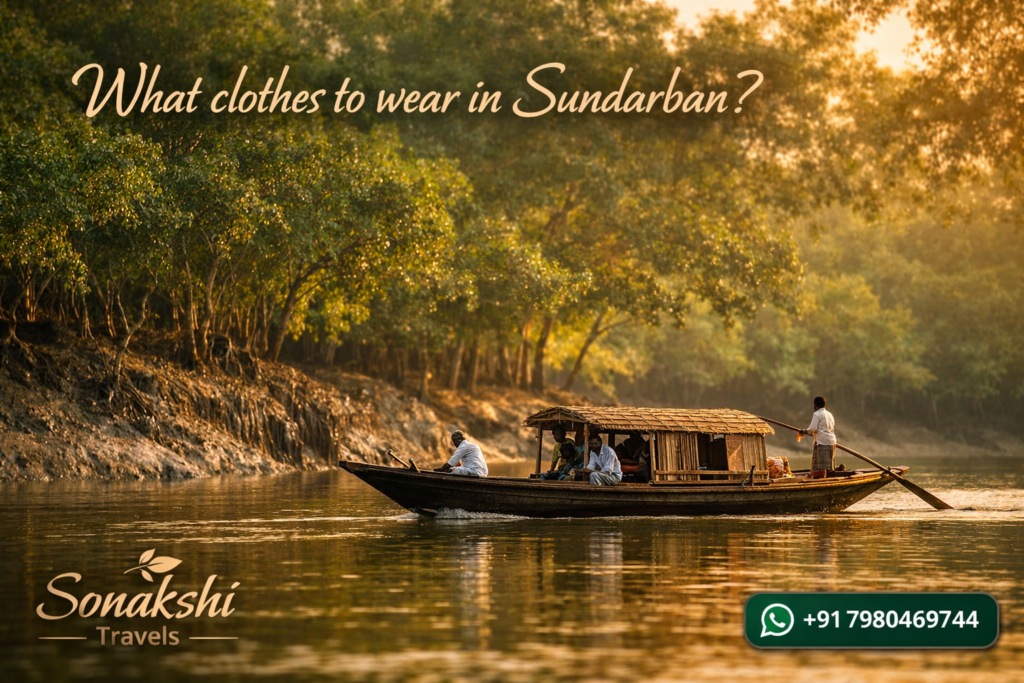
Choosing clothes for the Sundarban is not a small matter. It changes the comfort of the whole journey. In this mangrove region, a person spends long hours near water, open sky, mud paths, shaded village areas, wooden jetties, and moving boats. The body feels sun, moisture, breeze, sweat, and occasional splashes. Because of this, the right clothing should not be selected for beauty alone. It should be selected for comfort, protection, ease of movement, and calmness of mind.
Many travelers think only about taking light clothes, but the real answer needs more care. In the Sundarban, clothing should help the body stay cool without becoming too exposed. It should protect the skin without feeling heavy. It should dry easily if it gets damp. It should remain comfortable during sitting, walking, climbing steps, and resting on a boat deck. Whether a person is going on a Sundarban tour for one day or joining a longer forest stay, the safest and smartest choice is simple, breathable, modest, and practical clothing.
Why clothing matters so much in the Sundarban
The Sundarban is not like a city park or a short roadside outing. The environment asks the body to stay balanced for many hours. A person may feel direct sun in one moment and cool shade in the next. Air can move gently over river water, yet the body may still sweat because of humidity. Clothing that looks stylish in a photograph may become uncomfortable after two or three hours if it traps heat or sticks to the skin.
This is why clothes in the Sundarban should be chosen with function first. The ideal outfit should allow air to pass, absorb light sweat, and avoid strong irritation on the skin. Loose but not oversized clothing works best. Very tight clothing can feel uncomfortable in humid air. Very loose clothing can catch dirt easily or make movement awkward on narrow boat steps. A balanced fit is better.
For most people, the right clothing choice improves the whole Sundarban tour package experience. The mind stays calmer when the body is not troubled by heat, itching, stiffness, or wet fabric. Good clothing also helps a traveler remain present, observant, and relaxed in a place where silence and slow movement are part of the experience.
The best fabric to choose
The first rule is simple. Choose fabric that breathes. Cotton is one of the safest choices because it is soft, easy on the skin, and comfortable for long wear. Cotton blends can also work well, especially when they dry faster than pure heavy cotton. Linen is another good option because it feels airy, but it should not be too rough or too stiff. Soft, light fabric is usually the best.
Avoid thick synthetic fabric that traps sweat. Some artificial materials may look smooth at first, but after long use they can make the body feel warmer. If the cloth does not let air move through it, discomfort grows slowly. In a place where the body may already feel moist because of the surrounding air, this becomes a problem.
Quick-dry travel fabric can be useful too, especially for those who prefer lighter packing. But the cloth should still feel soft and not plastic-like on the skin. The aim is simple: wear clothes that help the body breathe, not fight with the body.
What kind of upper clothing is best
For the upper part of the body, full-sleeve or half-sleeve shirts made of light breathable fabric are usually the best choice. Many experienced travelers prefer a thin full-sleeve shirt because it gives two benefits at once. It protects the skin from direct sun, and it also creates a light barrier against insects, dust, and scratches from rough surfaces.
Men can wear soft cotton shirts, simple casual full-sleeve shirts, or breathable polo T-shirts with a light overshirt if needed. Women can wear comfortable cotton tops, long kurtis, breathable shirts, or modest full-sleeve tunics that allow easy movement. The cloth should not be too clingy. It should sit gently on the body.
Very heavy denim jackets, thick fashion tops, and decorative garments with hard embroidery are not practical here. They add weight, reduce comfort, and often make the body warmer. Clothing for the Sundarban should feel easy, not demanding.
Why sleeves matter
Many people think short sleeves are always better in a warm place. That is not always true. A thin full sleeve can often feel better than exposed skin under strong daylight. It reduces direct contact with sun and can also help the body feel less tired. The sleeve should be light and loose enough to let air move.
This is useful for all styles of travel, whether a person joins a shared outing or a Sundarban private tour. Private comfort does not remove the need for sensible clothing. In fact, the more peaceful and slow the journey, the more a person notices small physical discomforts. Good sleeves reduce those problems.
What to wear on the lower body
For the lower body, light full-length trousers are usually the safest option. Cotton pants, soft travel trousers, or loose track-style bottoms work well if they are not too thick. Full-length clothing protects the legs from sun, dust, and insect contact. It also feels more suitable when moving between boat, jetty, and village path.
Women may also wear comfortable leggings under longer tops, soft cotton pants, or easy salwar-style bottoms. Men may wear light chinos, cotton trousers, or comfortable stretch pants. The main rule is that the cloth should allow easy sitting and standing.
Shorts may feel attractive in theory, but they are often not the best choice in this setting. Exposed legs may become uncomfortable because of sun, mud contact, insects, or simple practical movement. Clothing in the Sundarban should support protection more than display.
Why jeans are not ideal
Heavy jeans are rarely the best option. They absorb heat, become uncomfortable when damp, and take time to dry. They also feel stiff during long sitting hours. A lighter trouser is better for the body and better for the rhythm of the journey.
The right footwear for the Sundarban
Footwear matters as much as clothing. A person may need to step on boat planks, concrete edges, village paths, wooden surfaces, or slightly muddy areas. Because of this, shoes should be secure, simple, and easy to clean. Closed walking shoes with grip are a good choice. Light sports shoes can also work well if they are breathable.
Sandals may be used if they have a strong sole and firm hold, but completely loose slippers are not ideal. They can slip, bend, or gather mud easily. High heels, hard formal shoes, and delicate fashion footwear are unsuitable. The ground and surfaces in this region ask for stability, not decoration.
Socks should be light and breathable. Carrying one extra pair is wise because feet feel fresher when dry. That one small detail can improve comfort more than many people expect.
Which colors are best to wear
Soft, calm colors are better than very bright or flashy colors. Light brown, beige, grey, olive, soft green, muted blue, and off-white often work well. These shades feel easy on the eye and are practical for outdoor wear. They also hide light dust better than very pure white.
Very bright neon shades are not necessary. Very dark black clothing can sometimes feel warmer under open light. Pure white may look elegant, but it gets dirty quickly near mud, wood, dust, and boat surfaces. The ideal color is natural, gentle, and practical.
People who choose a Sundarban luxury tour sometimes think they should dress in a more polished way. A neat appearance is good, but that does not mean heavy or formal clothing. In the Sundarban, real elegance comes from clothes that look clean, calm, and suitable to the landscape.
How to dress in layers without feeling heavy
Layering is useful if done lightly. The correct method is not to pile thick clothes on the body. It is to carry one light outer layer that can be worn or removed easily. A thin overshirt, a soft cotton scarf, or a light breathable cover layer can help when the body wants a little extra protection.
The value of layering is flexibility. Conditions around river water and shaded areas can feel different across the day. A light layer helps the traveler adjust without discomfort. But the layer should fold easily and should not feel bulky when removed.
This is important on a Sundarban tour from Kolkata too, because many travelers start early and remain outdoors for long hours. Clothing should support the full flow of the day without becoming a burden.
Head, neck, and eye protection
Good clothing in the Sundarban does not end with shirt and trousers. The head and neck also need thoughtful protection. A light cap or wide but simple hat can help reduce glare and heat on the face. A soft cotton scarf or stole can protect the neck gently without making the body too warm.
Sunglasses may help some travelers, especially when light reflects from water. But they should be practical, not delicate fashion pieces that feel difficult to manage. The purpose is visual comfort, not display.
A scarf is especially useful because it serves many small purposes. It can shield the neck, cover the head for a short time, wipe light sweat, or act as a simple comfort item during wind or open-boat movement. This is a quiet but effective part of smart dressing.
Clothes for evening and rest time
Many people think only about daytime dressing, but evening clothing also matters. After a long day, the body wants softness and ease. It is wise to carry one fresh change of clothes. A light cotton T-shirt, a soft kurti, easy sleepwear, or loose resting clothes can make the evening far more comfortable.
The reason is simple. After hours in outdoor clothing, the body feels better in something clean and dry. This also improves sleep and general freshness. Even on a short stay such as a Sundarban 1 day tour, keeping an extra fresh top can help if the first one becomes damp with sweat or light spray.
For a longer stay such as a Sundarban 2 nights 3 days tour, carrying separate daywear and simple restwear is even more important. Comfort in the Sundarban depends on dryness, softness, and not forcing one set of clothes for every part of the day.
What women should keep in mind
Women should choose clothing that allows comfort, coverage, and free movement. Long cotton tops with breathable lower wear, light kurtis with leggings, soft shirts with trousers, or modest co-ord sets can work very well. Very flowing fabric that drags easily is not ideal around muddy edges or boat steps. Clothes should be graceful but controlled.
Jewelry should be minimal. Heavy earrings, delicate chains, or costly decorative pieces do not add real value to this environment. The same is true for handbags. A light cross-body bag or small day bag is more practical than a heavy fashion bag.
Comfort should remain the first goal, whether the journey is a family outing or a Sundarban luxury private tour. Calm, breathable, and sensible dressing always works better than over-prepared styling.
What men should keep in mind
Men often make one mistake in nature travel. They dress either too casually or too heavily. The better middle path is a clean cotton shirt, light full-length trousers, proper footwear, and one simple extra layer. This combination works well because it respects both comfort and setting.
Very thick cargo wear is not necessary unless a person personally prefers that fit. Very tight jeans with dark T-shirts are also not the best. The body should feel free, not trapped. A neat, breathable, modest outfit is enough. In the Sundarban, sensible clothing always looks more appropriate than showy clothing.
What clothes to avoid completely
Some clothing choices create avoidable discomfort. It is better to avoid heavy denim, leather items, tight synthetic outfits, very short clothes, slippery footwear, formal dresses, high heels, and delicate garments that get spoiled easily. Avoid clothing that needs constant adjustment. Avoid outfits that become stressful if they get a little dusty or damp.
It is also wise to avoid carrying too many outfit ideas. This is not a place where changing for appearance should become the center of the day. Clothing should support observation, movement, and rest. When clothes demand too much attention, they disturb the travel mind.
The most practical clothing formula
For most travelers, one simple formula works very well: a light breathable shirt, full-length soft trousers, proper walking shoes, a cap or scarf, and one extra change of clothes. That is the core. This formula is useful in a shared forest outing, in a quiet Sundarban private tour package, or in a refined private stay where comfort matters even more.
If a person wants to keep the packing very simple, that is enough. If a person wants a slightly more careful version, then add one light layer, one extra pair of socks, and one easy evening outfit. Nothing more is needed to dress well for the Sundarban.
The deeper meaning of dressing correctly
There is also a quiet mental side to this question. Good clothing changes how a traveler experiences the place. When clothes feel right, the body becomes less noisy. The traveler notices more. The eyes stay on the river, the branches, the changing light, the still water, the human life around the delta. But when clothes feel wrong, the body keeps sending complaints. Too hot, too tight, too wet, too slippery, too bright, too heavy. That inner disturbance reduces attention.
So the best clothes for the Sundarban are not only practical items. They are part of mental readiness. They help the traveler stay settled, respectful, observant, and physically at ease. In a landscape where rhythm is slow and detail is subtle, this matters greatly.
Final answer
The best clothes to wear in the Sundarban are light, breathable, full-cover, and easy to manage. Soft cotton or similar airy fabric is ideal. Thin full-sleeve tops or shirts, light full-length trousers, secure walking shoes, and a simple cap or scarf form the best basic outfit. Keep colors calm, avoid heavy and tight clothing, and carry one fresh extra change. The aim is not fashion display. The aim is steady comfort, skin protection, clean movement, and peace of mind.
That is the most honest answer. In the Sundarban, correct clothing is simple clothing. And simple clothing, when chosen wisely, becomes one of the most important parts of a successful and comfortable journey.